The Difference Between Investment Guides & Welcome Guides
Clients, Fees & Onboarding
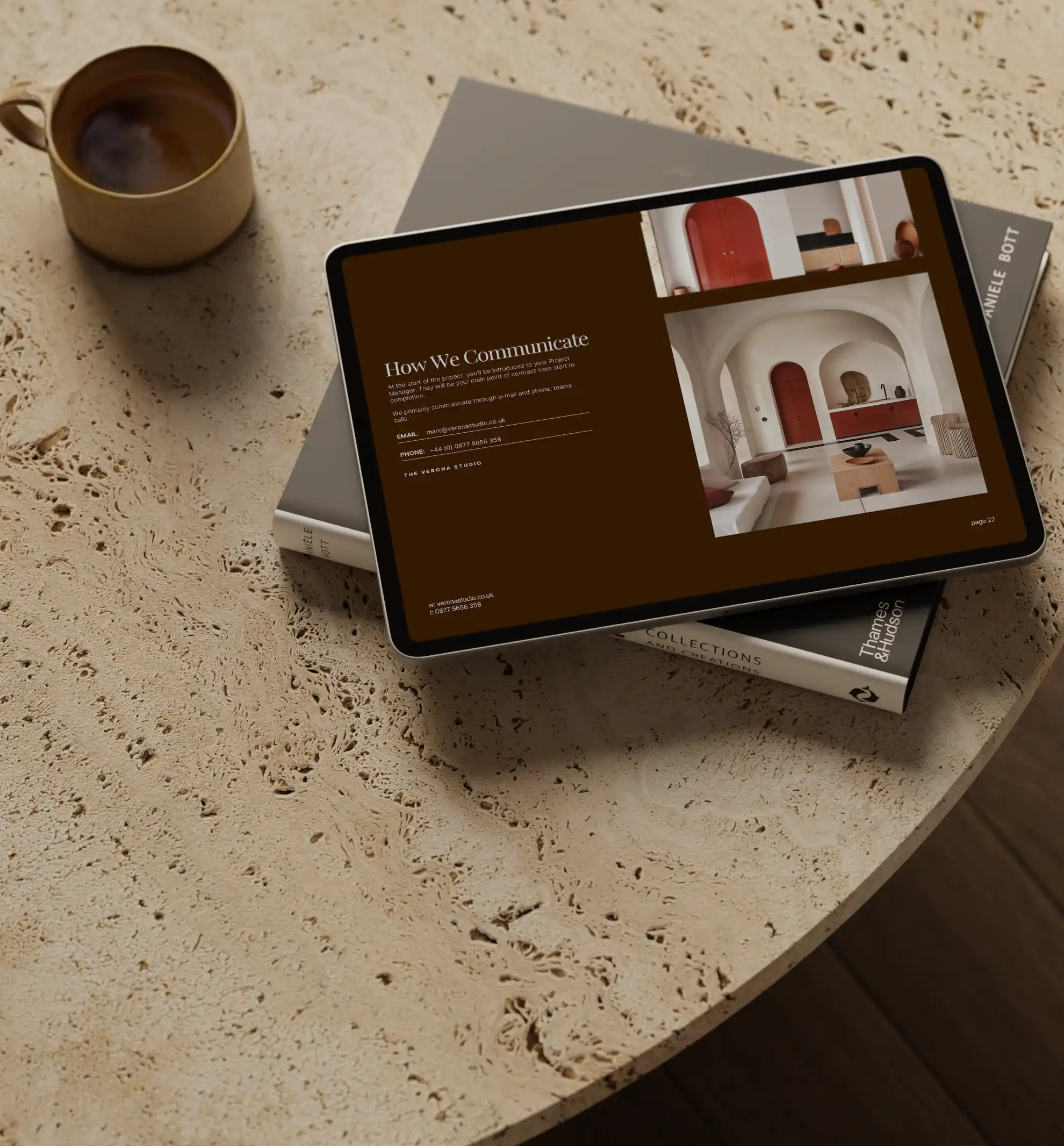
Most designers are losing clients before the conversation even starts - or fumbling the onboarding after they've signed. Two documents fix both problems. The investment guide and the welcome guide. They're different tools, for different moments.
Let's break down what each one is, why it matters, and how to get them right.
____
What is an Investment Guide?
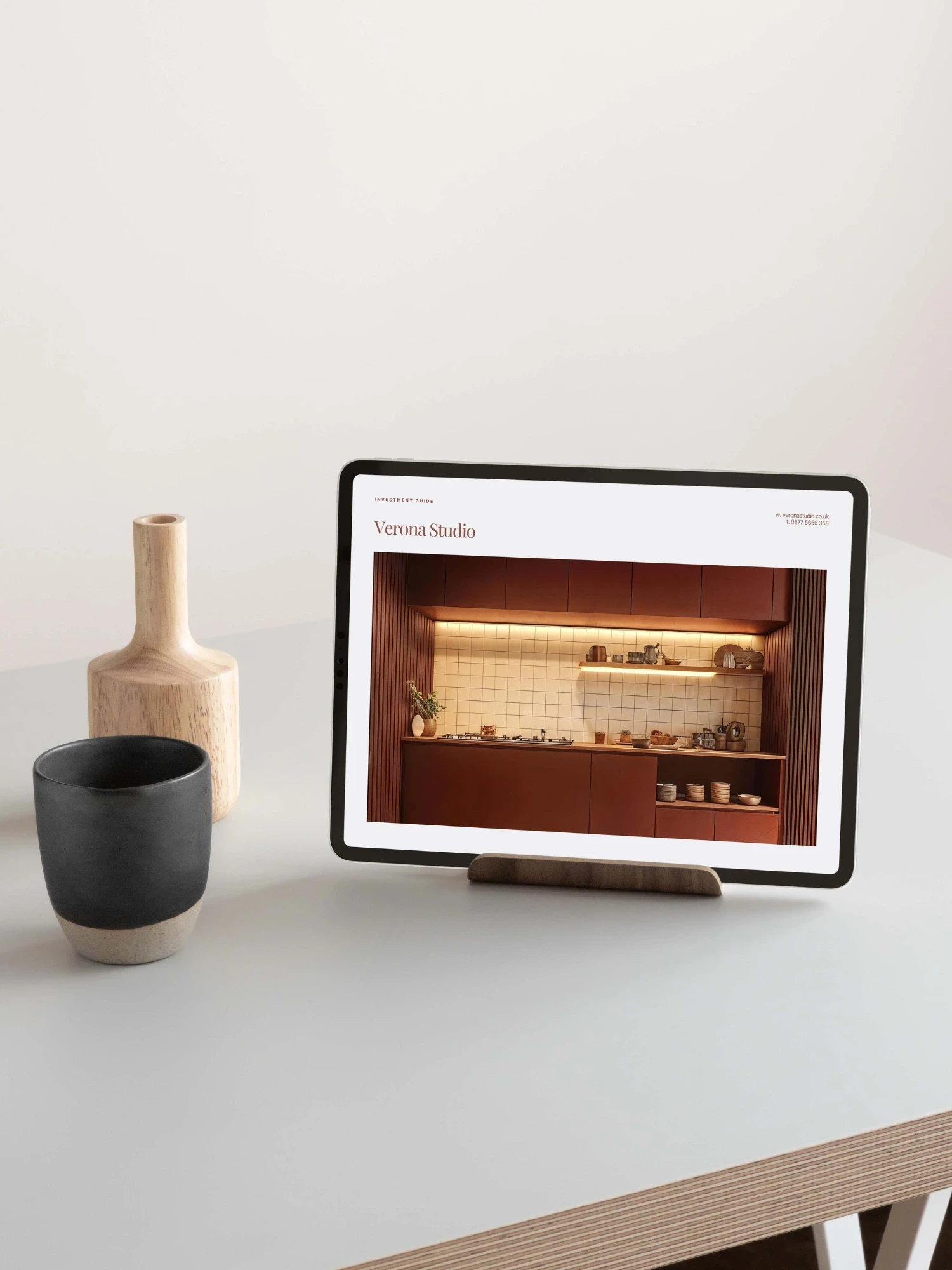
An investment guide is what you send a potential client before they've committed. Think of it as your pitch document - but done properly and efficiently before you send your fee proposal.
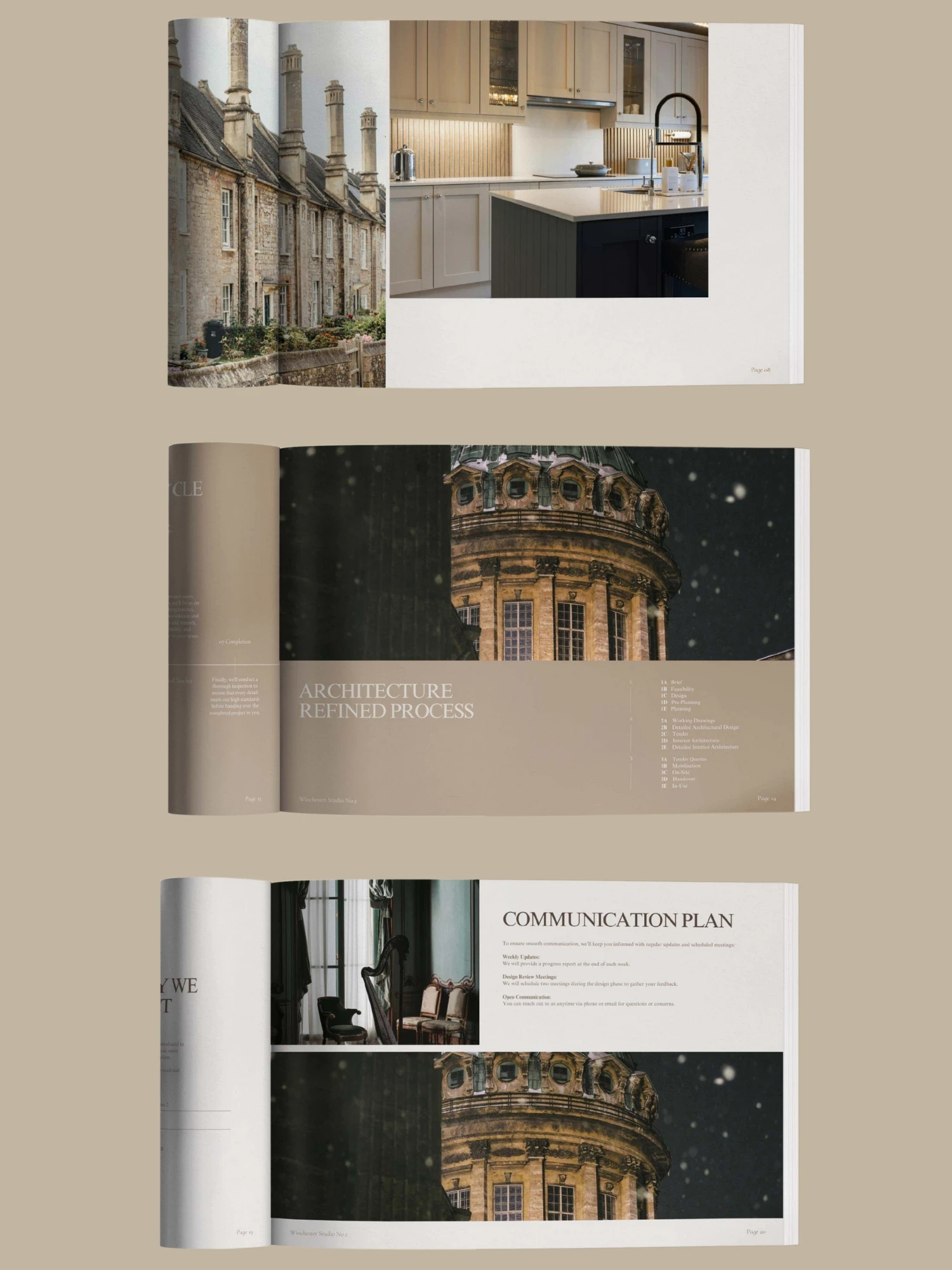
Done well, it answers the questions a client has before they've even asked them. What do you offer? What have you done before? What's it like to work with you? It removes uncertainty, builds confidence, and does a lot of the selling for you before you ever get on a call.
It saves you time, and filters out bad-fitting clients before the waste your energy.
What should it include?
A clear overview of your services and what makes them different. Your pricing, or at least a range - be transparent, vagueness creates doubt. Past projects and results that are relevant to what this client is looking for. And a brief window into your process so they know what they're signing up for.
____
What Is a Welcome Guide?
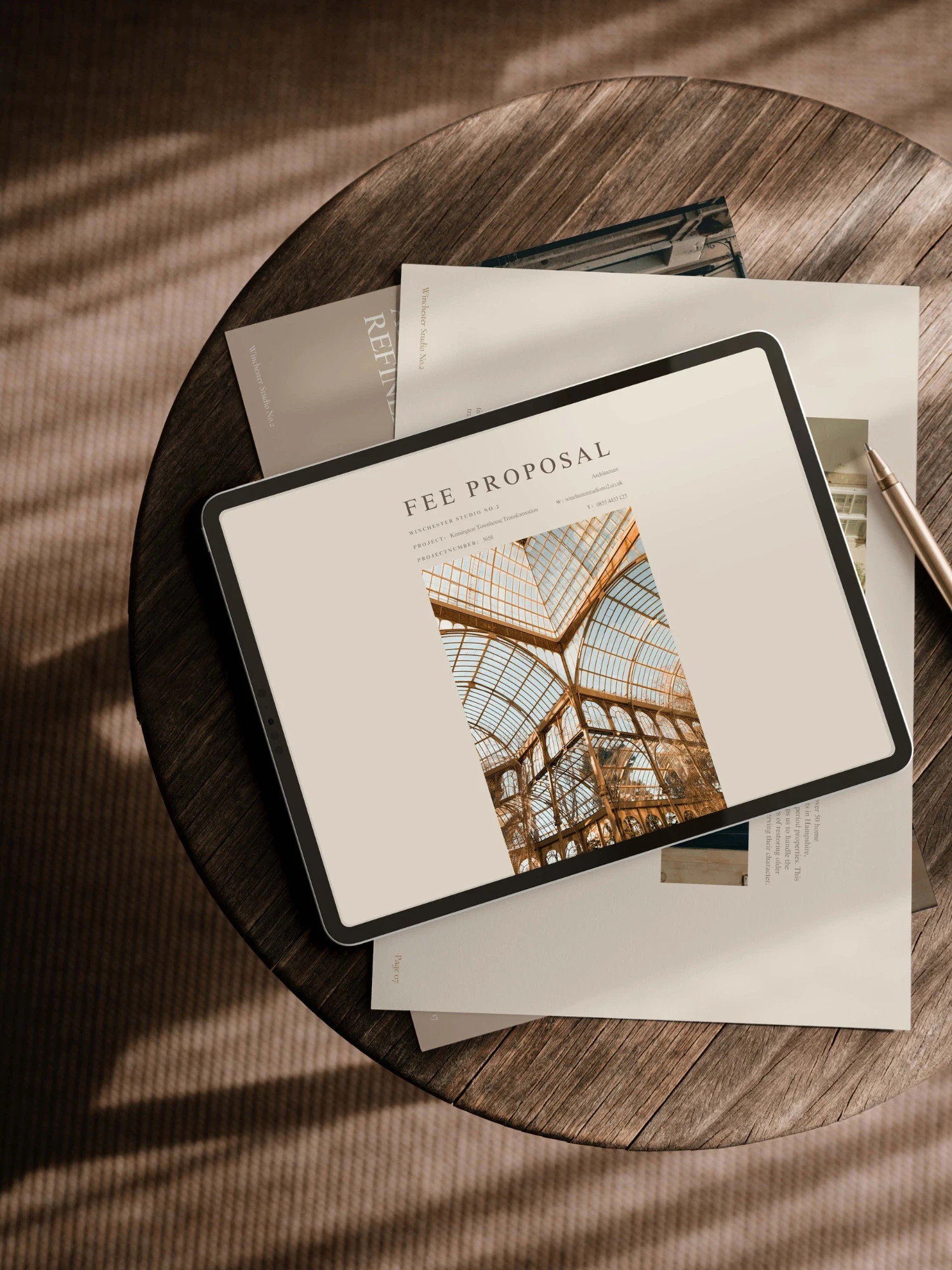
The welcome guide comes after your fee proposal template. Once a client has committed, this is what sets the tone for everything that follows. It's your onboarding document - the thing that takes a client from signing through to understanding what their next steps are.
Most project friction comes from misaligned expectations. A good welcome guide template eliminates that before it starts. It tells clients how you work, how to communicate with you, what the timeline looks like, and what you need from them to keep things moving. It answers the questions they'd otherwise be emailing you about in week two, or worse, whatsapping at 3am.
What should it include?
A warm opening that reassures them they've made the right decision. A clear breakdown of next steps so nobody's left wondering. Key project milestones and timelines. How you work and how you like to communicate. And an FAQ section that addresses the questions you always get asked - payment, feedback, revisions, whatever comes up most in your projects.
The Key Difference
The investment guide converts.
The welcome guide retains.
One does the job before the client commits, the other does the job after. Both matter because landing a client and then losing them to a chaotic onboarding is just as damaging as never landing them in the first place. Your reputation is built across the whole experience, not just the finished project.
____
How To Get The Most Out Of Them
For the investment guide - lead with value, not price. The first thing a potential client should understand is what they're getting and why it matters, not what it costs. Let the pricing come once they already want it.
Make it visual. You're a designer - a poorly laid out investment guide undermines your credibility before you've said a word.
For the welcome guide - be specific. Vague timelines and generic processes don't reassure anyone. The more clearly you can map out what happens and when, the more confident your client will feel.
And answer the questions you always get asked. If three clients in a row have asked the same thing in week one, it belongs in your welcome guide.
____
Conclusion
Two documents, two moments, one seamless client experience process. The investment guide template gets them over the line. The welcome guide template makes sure they stay there - and tell their friends.
If you don't have time to build these from scratch, we've done it for you. Our templates are designed specifically for architects and interior designers, ready to customise and send.
Written by Tim, Architecture Templates


The Author
Tim Willment is a UK-based RIBA and ARB-registered architect, and founder of a boutique architecture and interior design studio he runs with his wife. With over a decade of experience, he helps designers build efficient workflows that maximise profit, attract better clients, and create a more balanced work-life.
His goal is simple: to create a better experience for both designer and client - building win-win businesses that are unforgettable.
Rather than offering mentorship or coaching, Tim shares proven templates and systems - the same ones he uses in his own practice - to help other small studios streamline their processes and focus on high-value design work.
Any questions, email him direct at tim@architecturetemplates.co.uk