What Is a Welcome Guide For Architects & Interior Designers
Clients, Fees & Onboarding
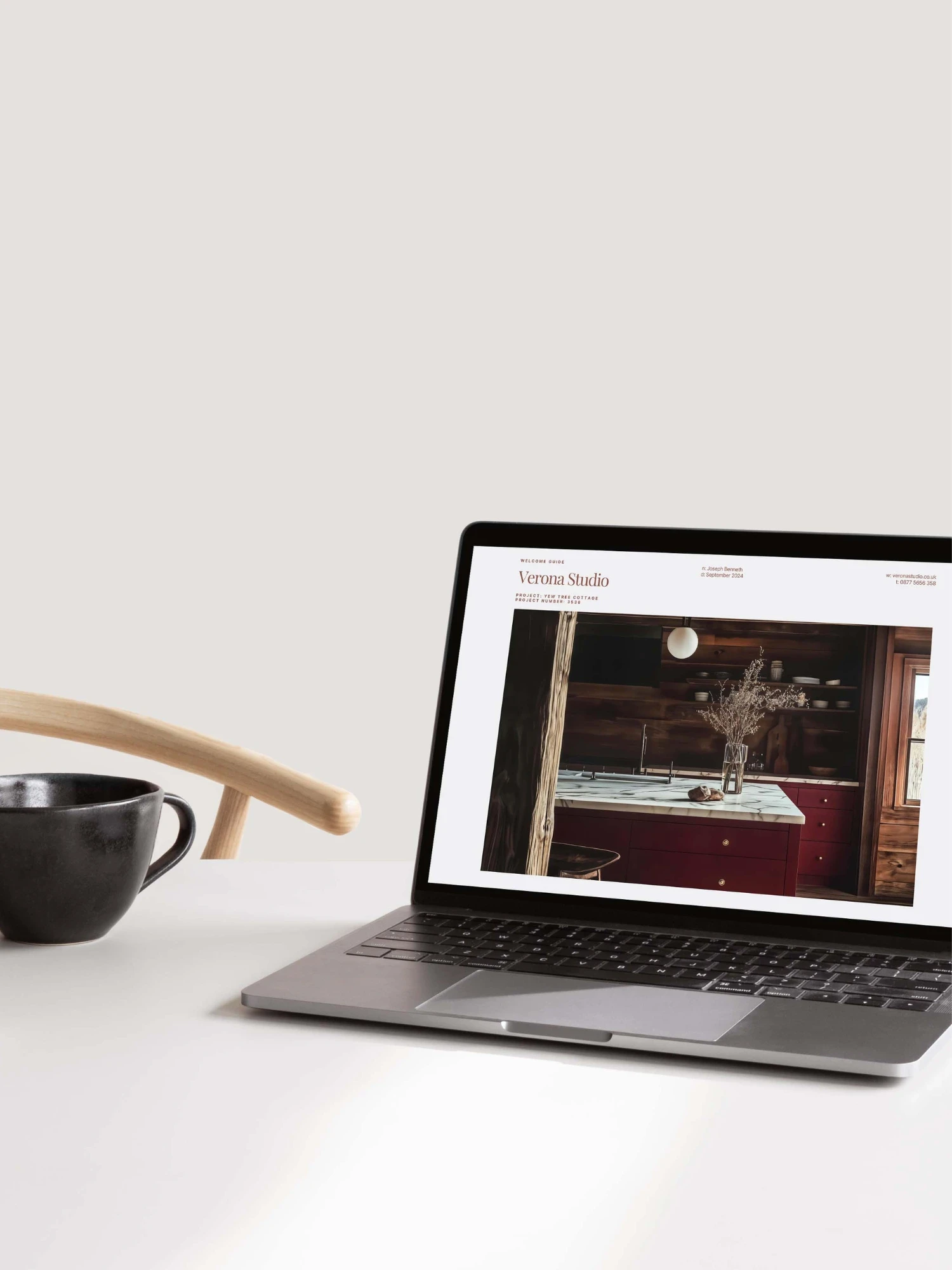
You know that feeling when a client emails you - again - asking for an update? Or when they suddenly expect something that was never included in your scope?
The reason is simple: they don’t know what’s happening next. A welcome guide template eliminates 80% of those emails before they happen. It tells your client exactly what to expect, when to expect it, and how you work - so you don’t have to keep repeating yourself. Here’s what it is, why you need one, and what to include.
____
Why Every Architect & Interior Designer Needs a Welcome Guide
It stops clients chasing you
Clients don’t chase you because they’re impatient. It's because they’re in the dark. They’ve handed over their time and money. They’ve committed. But now, all they can do is wait - and they have no idea what’s happening behind the scenes.
This is why they send those “just checking in” emails. It’s not because they don’t trust you. It’s because they don’t know when they’ll hear from you next.
A Welcome Guide fixes this by answering key questions before they even ask:
What happens next?
When will I hear from you?
How does communication work?
What’s included (and what’s not)?
It stops scope creep
Ever had a client casually ask for one more little thing that wasn’t in your scope? If you don’t have boundaries in place, scope creep is inevitable. A Welcome Guide clearly defines what’s included - and what isn’t. It sets the rules before any misunderstandings happen, so you’re never caught off guard.
It reduces emails & saves you hours
A Welcome Guide means fewer “quick questions” in your inbox. Every time a client asks something that’s already in the guide, you can politely refer them back to it. Over time, this compounds - less chasing, fewer distractions, and more time to actually do the work. This is exactly why I send a Friday email update for every active project. Once clients know what to expect and when, they stop chasing.
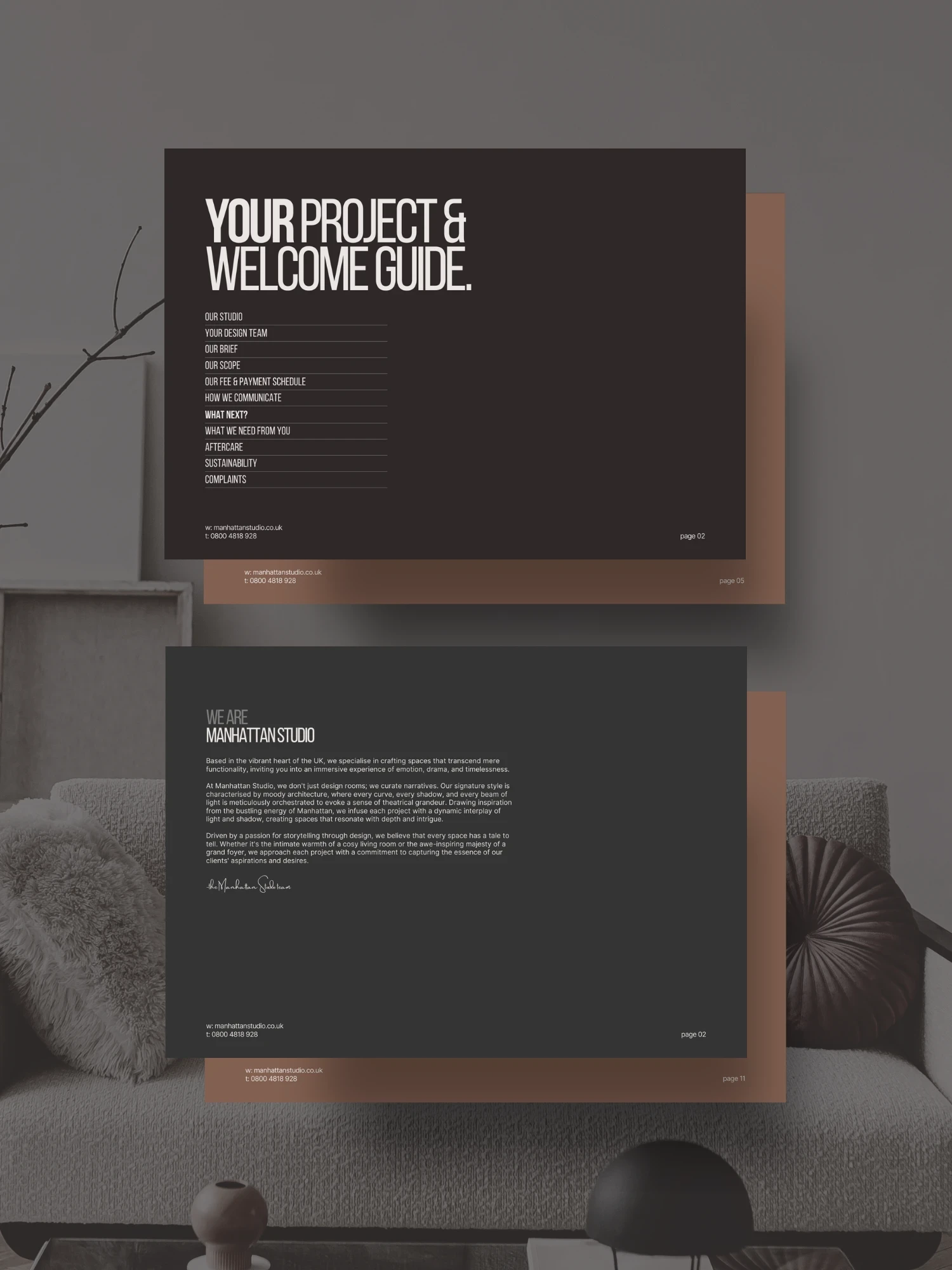
What Should a Welcome Guide Include?
When & How to Send It
Send it right after signing the contract - before the project kicks off.
It can be a PDF, Notion page, or interactive document (whatever fits your workflow).
Keep it branded, polished, and easy to read.
If it looks unprofessional, your client will assume your process is too.
Essential Sections to Include
Welcome Message: A short, reassuring note to reinforce that they’ve made the right choice.
Project Roadmap: A simple timeline of what happens next.
Communication Guidelines: Set clear boundaries for emails, response times, and working hours.
Working Hours & Availability: If you don’t want weekend emails, say so here.
What’s Included (And What’s Not): This is your chance to prevent scope creep before it starts.
Payment Schedule & Expectations: Reinforce your agreed payment terms upfront.
Key Contact Info & Next Steps: Make it clear who to contact (and when).
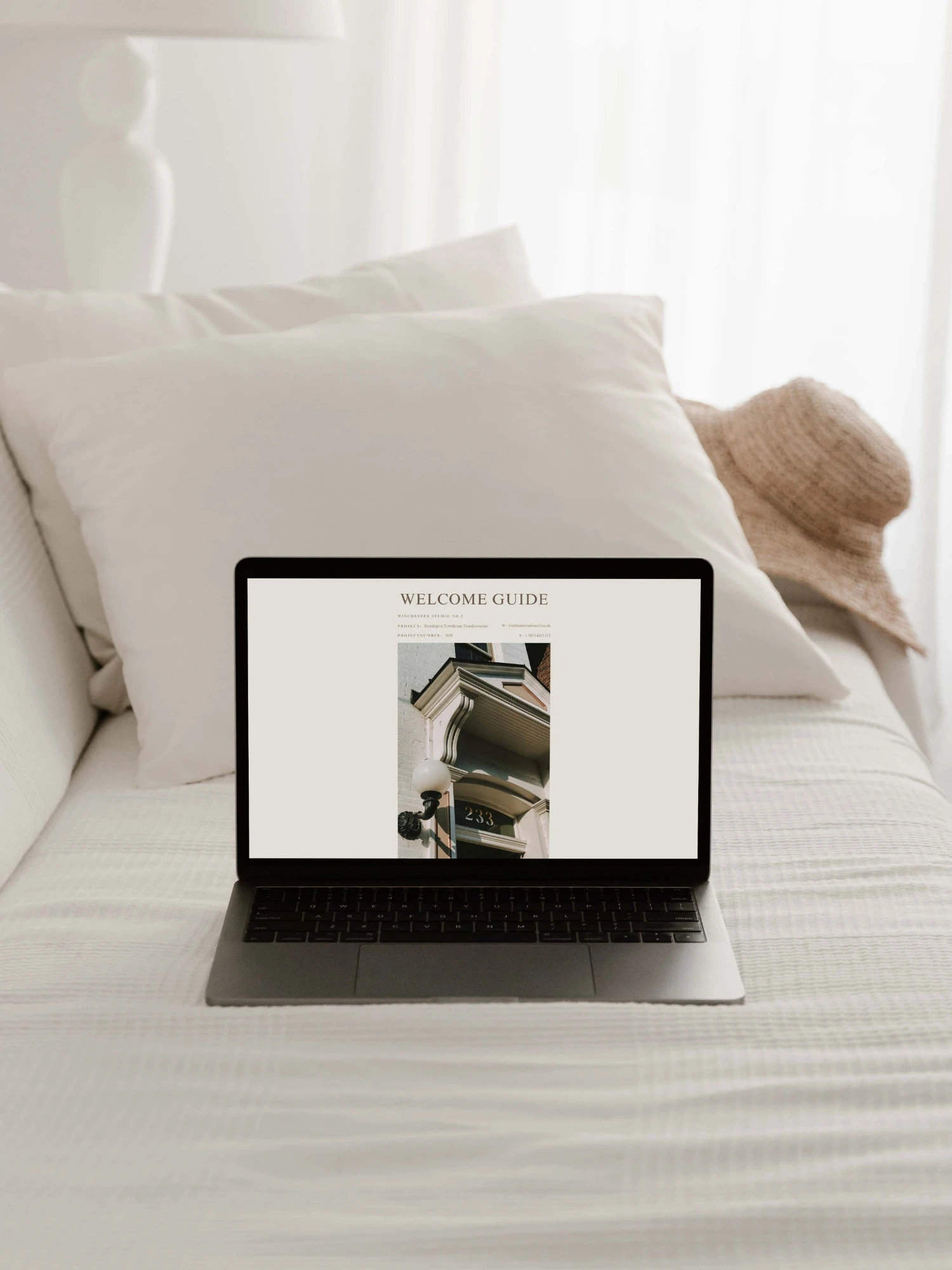
The #1 Mistake Architects & Designers Make Without a Welcome Guide
They think, "I don’t need one - my clients are fine." But not having a Welcome Guide means:
More unnecessary emails.
More misunderstandings.
More stress when a client expects something you never agreed to.
Fix it now - before it costs you more in time, frustration, and lost profit.
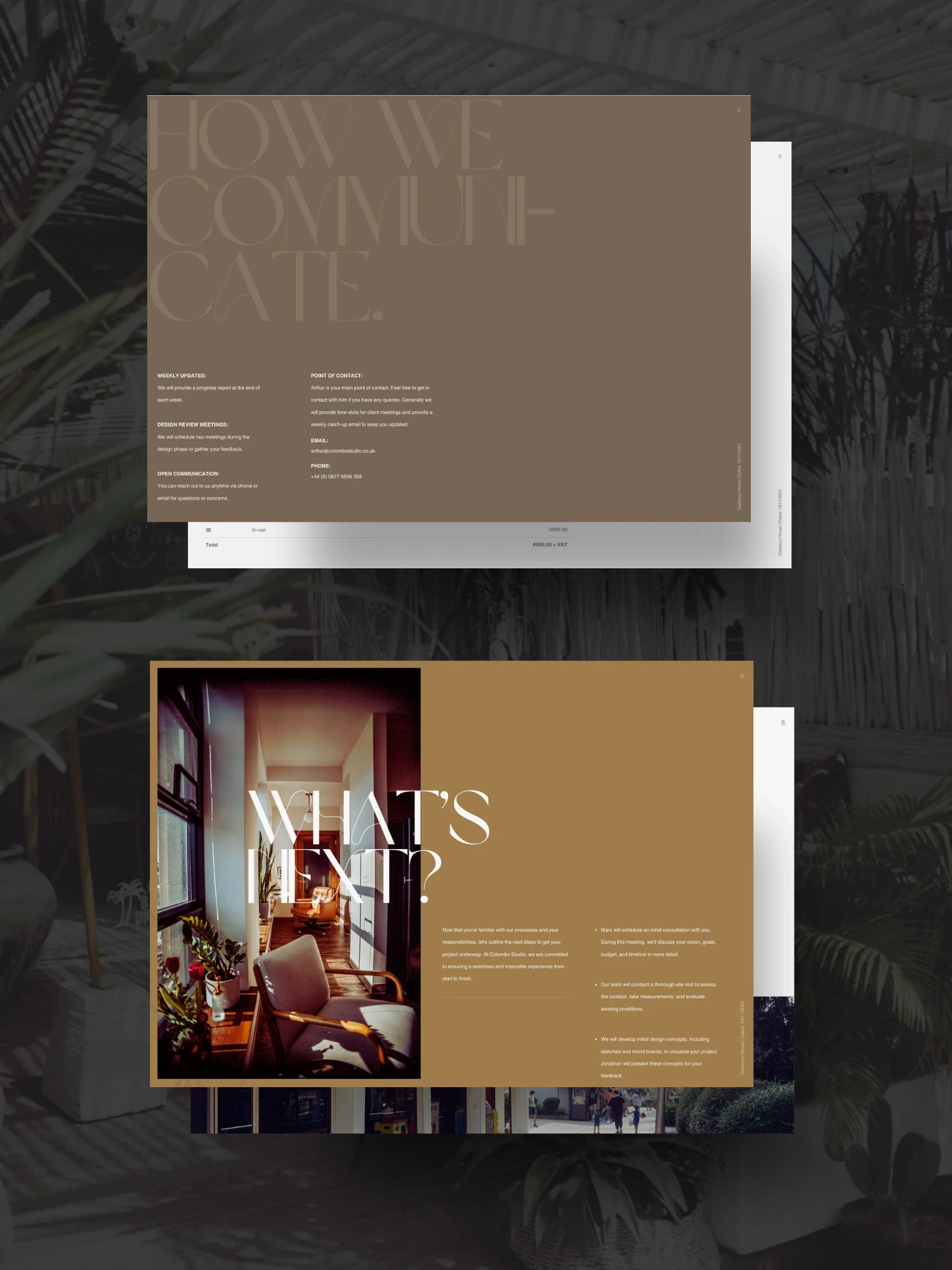
Common Mistakes to Avoid When Creating Your Welcome Guide
Making It Too Long & Complicated
No one wants to read a 80-page document. Keep it scannable, visual, and straight to the point.
Not Branding It Properly
A sloppy document screams “I don’t have my sh*t together.” If you want clients to trust your process, your Welcome Guide needs to look the part.
Use your brand colours, fonts, and logo.
Keep it clean and polished - no lazy & rushed formatting.
If design isn’t your thing, use these effortless templates built for architects & interior designers.
Not Setting Boundaries
If you don’t set expectations on communication, your client will set them for you.
A clear welcome guide template prevents this by making your process the standard from day one.
____
Conclusion: Why You Need a Welcome Guide
You have two choices:
Keep dealing with endless client emails, unclear expectations, and scope creep.
Send a simple, polished Welcome Guide and run your business on your terms.
If you don’t want to start from scratch, grab my welcome guide template - built for architects and interior designers who want a smoother, stress-free onboarding process.
Written by Tim, Architecture Templates
____
Frequently Asked Questions
What’s the difference between a Welcome Guide and an Investment Guide?
Do I need a Welcome Guide for every project?
How do I make a Welcome Guide?

The Author
Tim Willment is a UK-based RIBA and ARB-registered architect, and founder of a boutique architecture and interior design studio he runs with his wife. With over a decade of experience, he helps designers build efficient workflows that maximise profit, attract better clients, and create a more balanced work-life.
His goal is simple: to create a better experience for both designer and client - building win-win businesses that are unforgettable.
Rather than offering mentorship or coaching, Tim shares proven templates and systems - the same ones he uses in his own practice - to help other small studios streamline their processes and focus on high-value design work.
Any questions, email him direct at tim@architecturetemplates.co.uk