Methods for Getting Architecture Clients in 2025
Clients, Fees & Onboarding

Design schools don't teach you how to market. They're great at pushing your design skills, and in some part, you learn how to articulate your ideas (both verbally and graphically), this is incredibly important whether it be your boss, colleagues or your clients. Client management is a complex topic, with nuance, psychology and much learning on the job!
As architects, we love to design but we're not all good marketers. I love learning about marketing and I've listened, and continue to listen to any podcast or audiobook I can get my hands on to boost my knowledge. We're trained to solve problems, so let's think of marketing as a problem and come up with some strategies that allow us to not only rely on referrals but also put a structure in place.
This guide is going to be about building a system to get architecture clients - a clear way to attract the right people, and filter out the ones that aren't a fit, all whilst buying back our time to continue to focus on our existing ones.
_____
Start With Positioning
Who are you trying to attract?
The first thing we need to do is understand our audience and build a simple, effective sales funnel, and I'll show you how to position yourself to clients who want to come to you.
If you try to appeal to everyone, you’ll resonate with no one. You're going to stretch yourself too thin. You create more problems trying to market to everyone, you can't be specific enough and you'll get lost in all the noise.
Positioning is the foundation of your business. If you get this right, you're going to find all the other steps in enhancing your client experience become so much easier.
Without a clear positioning strategy - you’ll end up with mismatched clients, underpaid projects, and constant frustration. You'll end up hating all of your clients, and to be honest - you might only be able to blame yourself. So ask yourself some key questions:
Question | Why It Matters | Example Answer |
|---|---|---|
Who is your ideal client? | Helps you focus on the right audience. | Homeowners with luxury projects. |
What type of projects do you love doing? | Keeps your work fulfilling and focused. | Barn conversions, sustainable homes. |
What unique value do you offer? | Differentiates you from the competition. | Combining architecture + interiors for a seamless process. |
What problems do you solve for clients? | Aligns your services with their needs. | Clarity, organisation, and standout design. |
Action Step: Write out your answers to these questions. Then review your website, social media, and fee proposals - does your messaging reflect this positioning? If not, that’s your first fix to finding better architecture clients.
The Sales Funnel
How to Attract, Engage, and Convert Architecture Clients
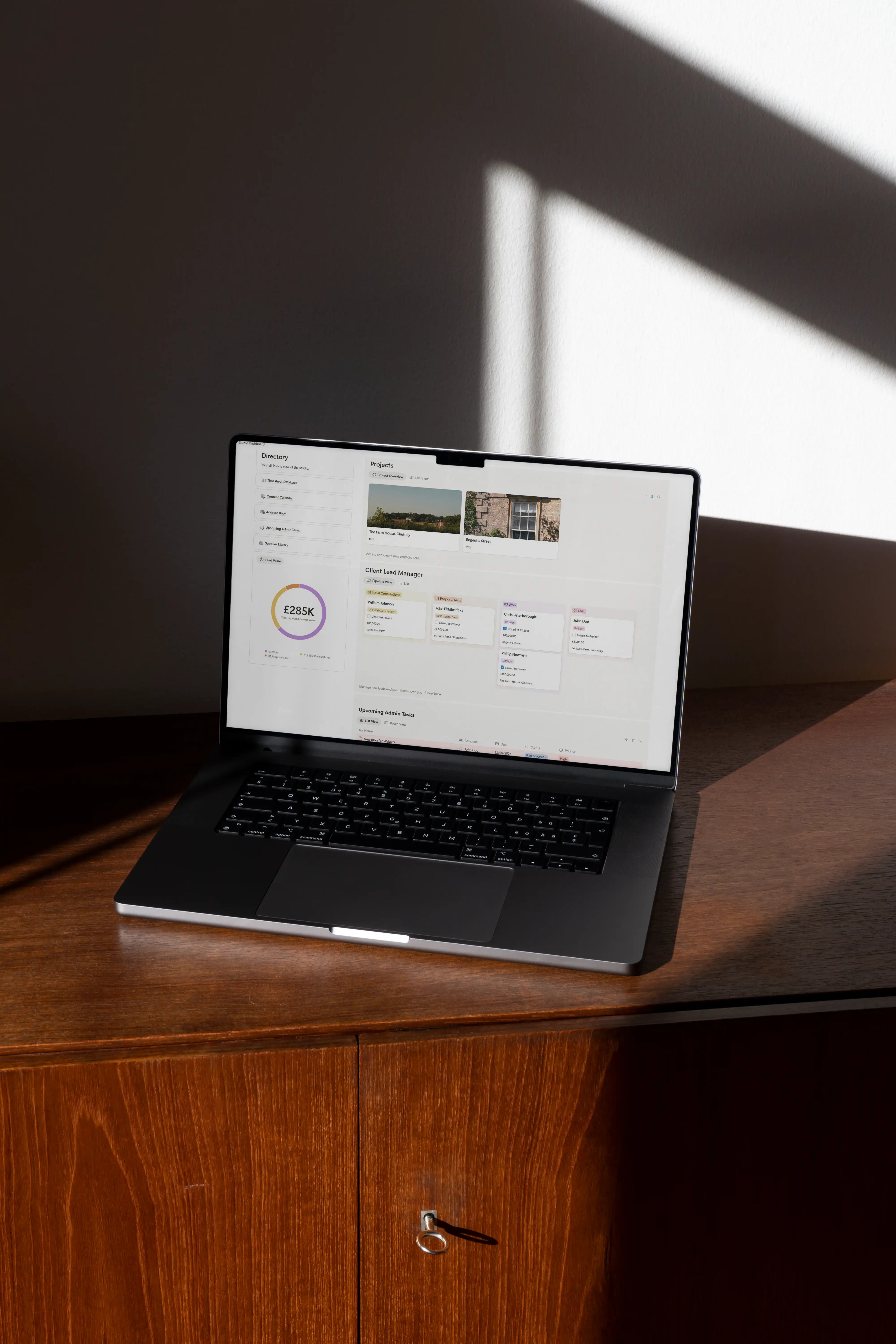
Most architects and designers don’t realise they already have a sales funnel - it’s just not intentional. Prospective architectural clients trickle in, conversations happen, and sometimes, they convert.
A proper sales funnel puts structure to a process of guestwork. It guides potential clients from discovering you to trusting you to hiring you. Here’s how to think about it in simple terms:
Stage | Goal | Focus | Examples |
|---|---|---|---|
Awareness | Attract the right leads | Get in front of people who need your help. | Social media, blog posts, PR. |
Consideration | Build trust and educate | Show your expertise and process. | Investment guides, case studies. |
Decision | Convert leads into clients | Make the next step easy and clear. | Fee proposals, consultations. |
____
Stage 1: Awareness - Attract the Right Leads
At this stage, your goal is to get noticed. But not by everyone - just the right people.
What to Focus On:
Showcase Your Work on Social Media
Choose one primary platform (e.g., Instagram, Pinterest) and double down.
Post consistently, focusing on projects you want more of.
Add value through tips, behind-the-scenes content, and success stories.
Create Searchable Content
Write blog posts that answer questions your ideal clients are searching for.
Example: “What’s the cost of a barn conversion?”
SEO will do the heavy lifting for you over time.
Leverage Word-of-mouth
Reach out to past clients
ask for contractors & suppliers for referrals or testimonials.
Want to know how social media fits into your funnel? Read our guide on social media strategies for architects.
____
Stage 2: Consideration - Build Trust and Educate
Once someone discovers you, they’ll ask themselves why they should choose you.
This stage is about building trust and answering their questions before they ask.
What to Focus On:
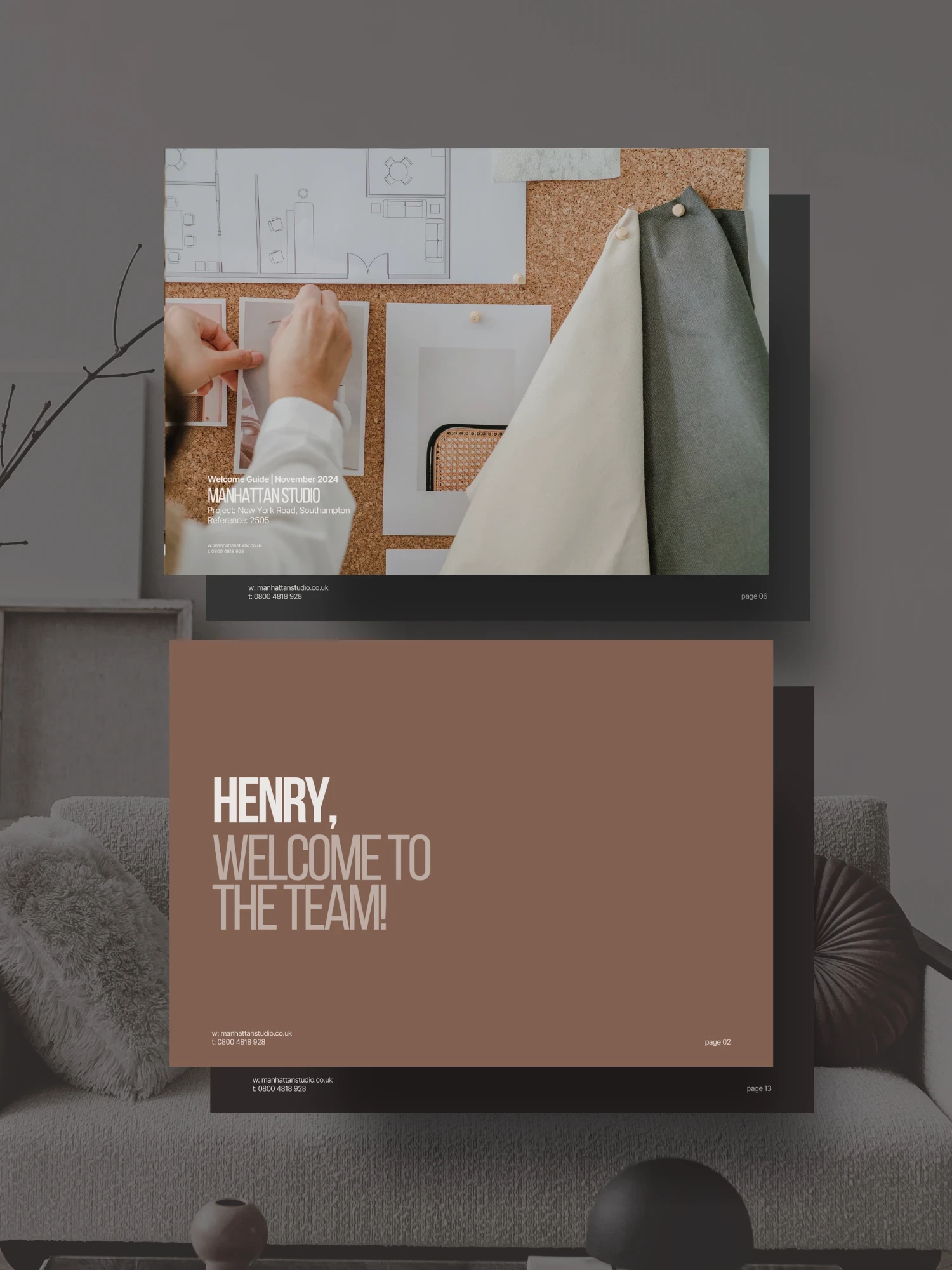
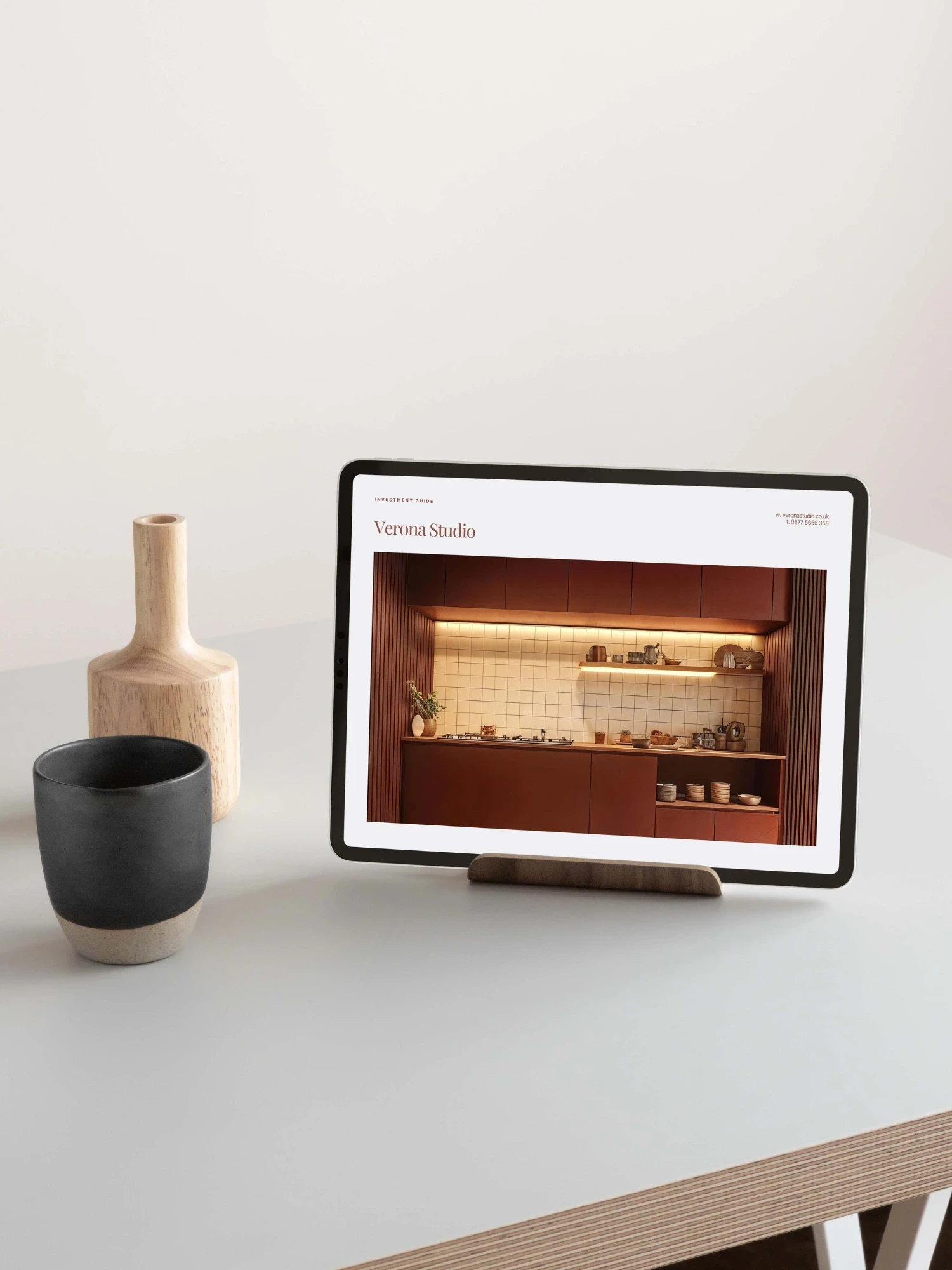
Create an Investment Guide
Show clients your process, what to expect, and why your fees are worth it.
A polished investment guide template does the talking for you and filters out tire-kickers.
Share Client Success Stories
Case studies build credibility and show real results.
Focus on the transformation: before, during, and after the project.
Answer Common Questions
Think about what your leads always ask—“How much will it cost?” or “What happens first?” - and turn the answers into FAQs, videos, or posts. If you're looking to automate building trust, and education, learn more about what an investment guide is.
Stage 3: Decision - Make It Easy to Work With You
This is where leads slip through the cracks. If you’re not clear about how to move forward, clients will hesitate. And, friction kills sales.
What to Focus On:
Simplify Your Process
Create a clear, understandable, step-by-step journey:
Consultation → Fee Proposal → Contract → Kick-off.Clients should know exactly what happens next.
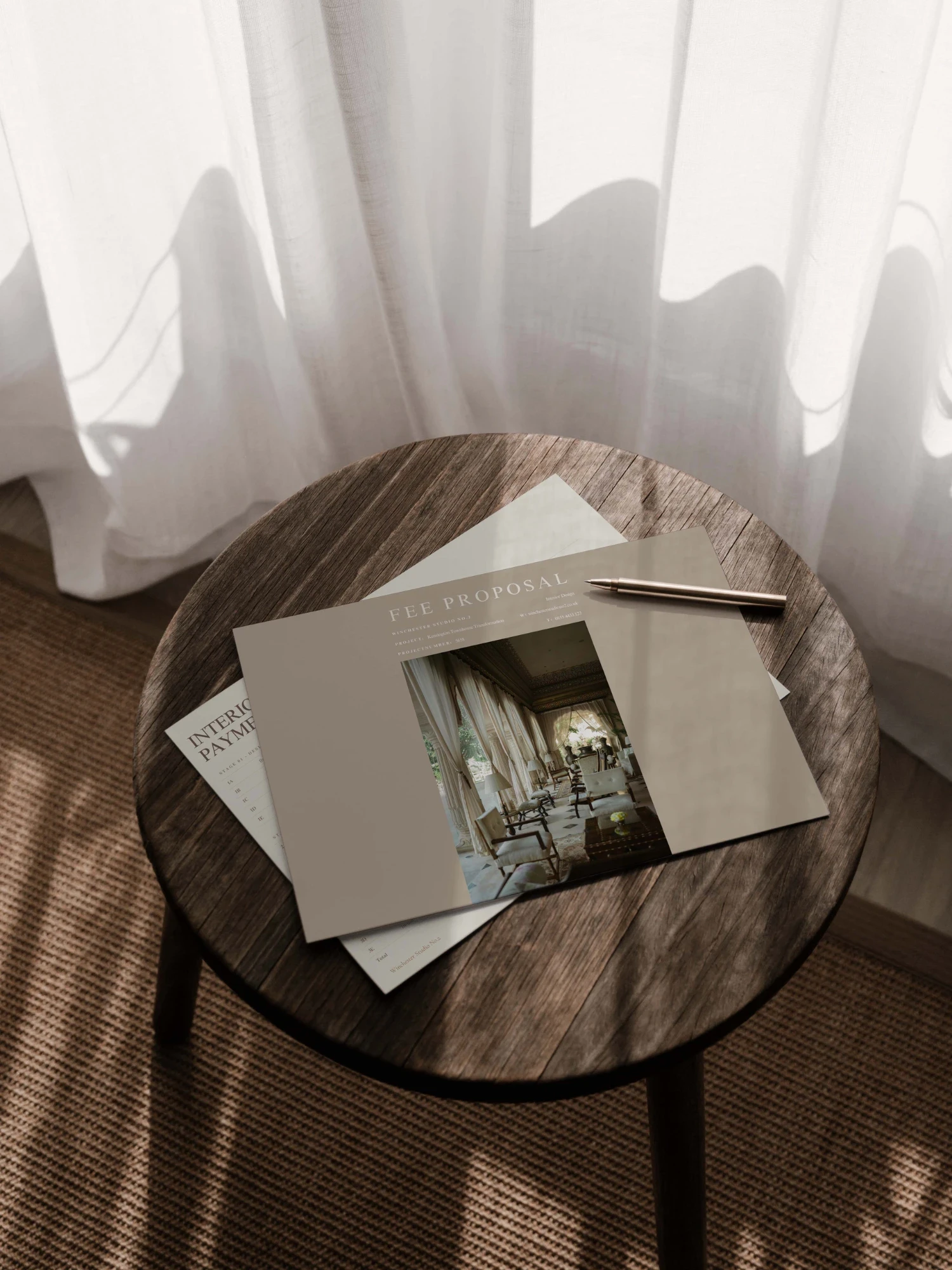
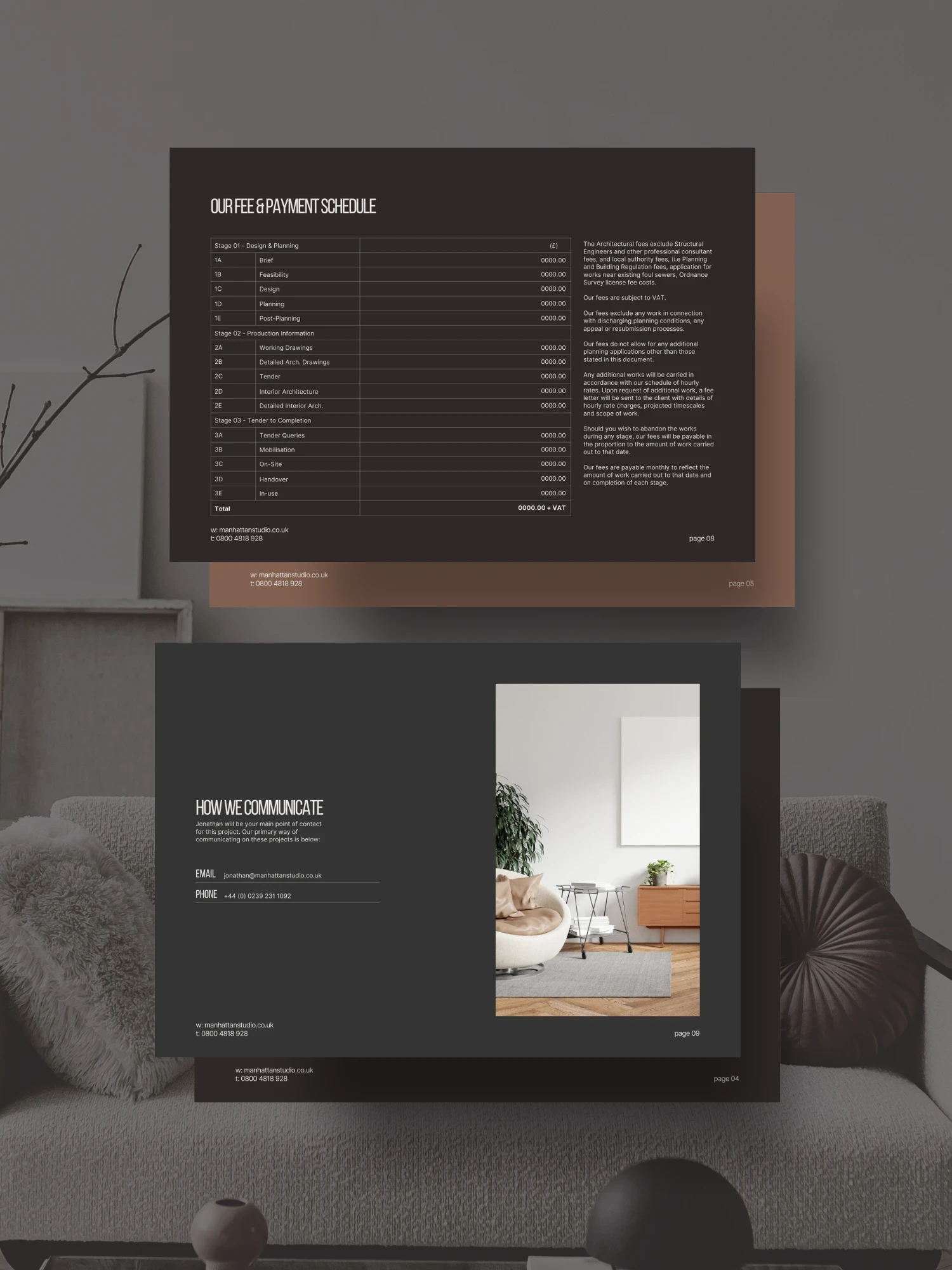
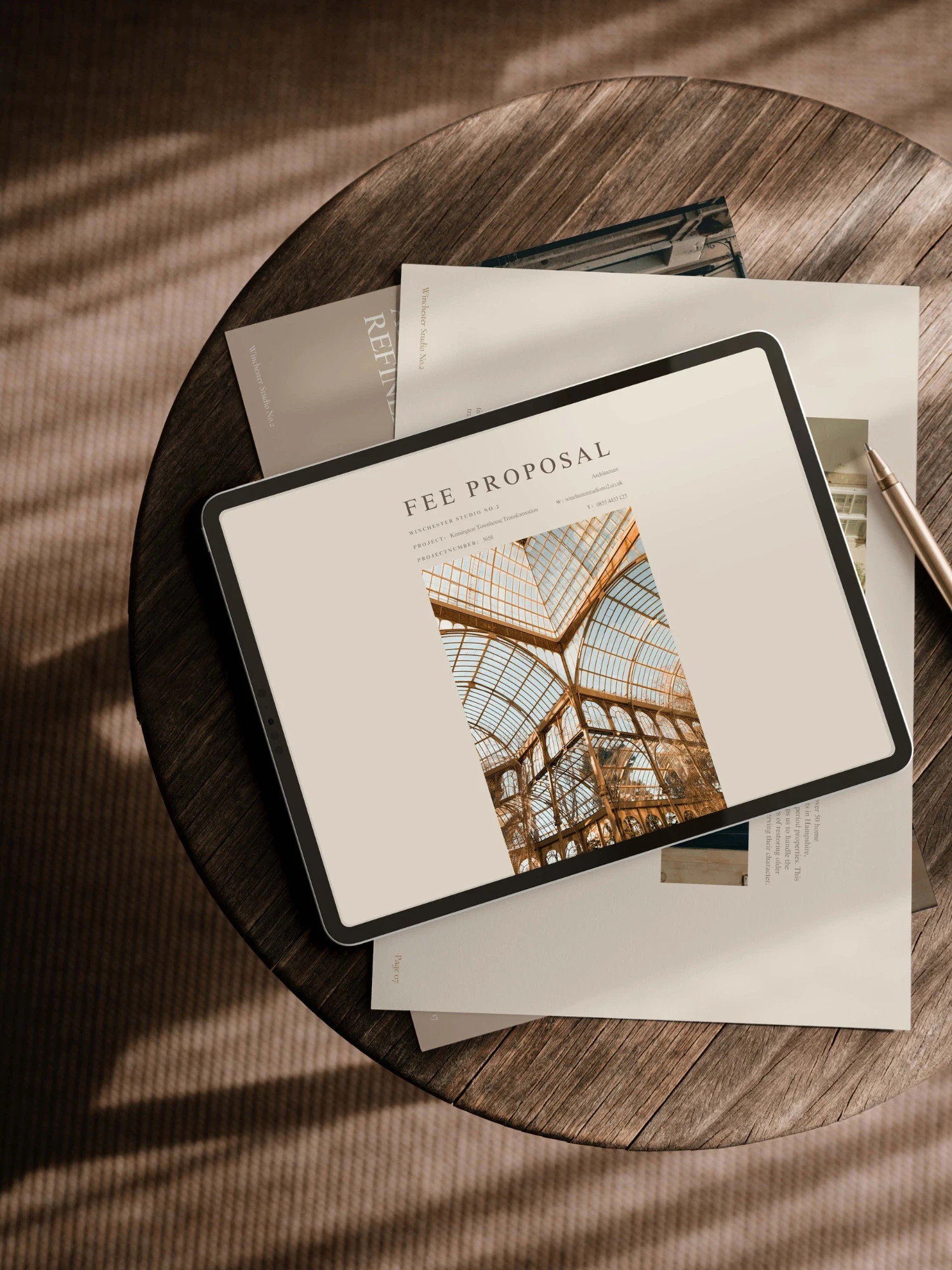
Write Better Fee Proposals
Use visuals to make your proposal easy to digest.
Frame your value, not just the cost.
Follow Up
If a lead goes quiet, don’t disappear. A simple follow-up series of email templates can make all the difference, whilst reducing any time wasted.
Conclusion: Build Your Funnel, Win Better Architecture Clients
Attracting architecture clients doesn’t need to feel chaotic or random. Start by refining your positioning. Build a clear sales funnel that guides people from discovery to hiring you.
And remember, clients don’t hire you for what you do. They hire you for how you solve their problems. You need to show you understand their problems, architecture is a stressful process.
If you’re ready to streamline this process and attract better leads, download my free 40-Page Client Guide. It’s packed with tools to help you pre-qualify clients, save time, and focus on work that energises you.
Written by Tim, Architecture Templates


The Author
Tim Willment is a UK-based RIBA and ARB-registered architect, and founder of a boutique architecture and interior design studio he runs with his wife. With over a decade of experience, he helps designers build efficient workflows that maximise profit, attract better clients, and create a more balanced work-life.
His goal is simple: to create a better experience for both designer and client - building win-win businesses that are unforgettable.
Rather than offering mentorship or coaching, Tim shares proven templates and systems - the same ones he uses in his own practice - to help other small studios streamline their processes and focus on high-value design work.
Any questions, email him direct at tim@architecturetemplates.co.uk