Crafting a Social Media Strategy for Your Interior Design Business
Digital Marketing
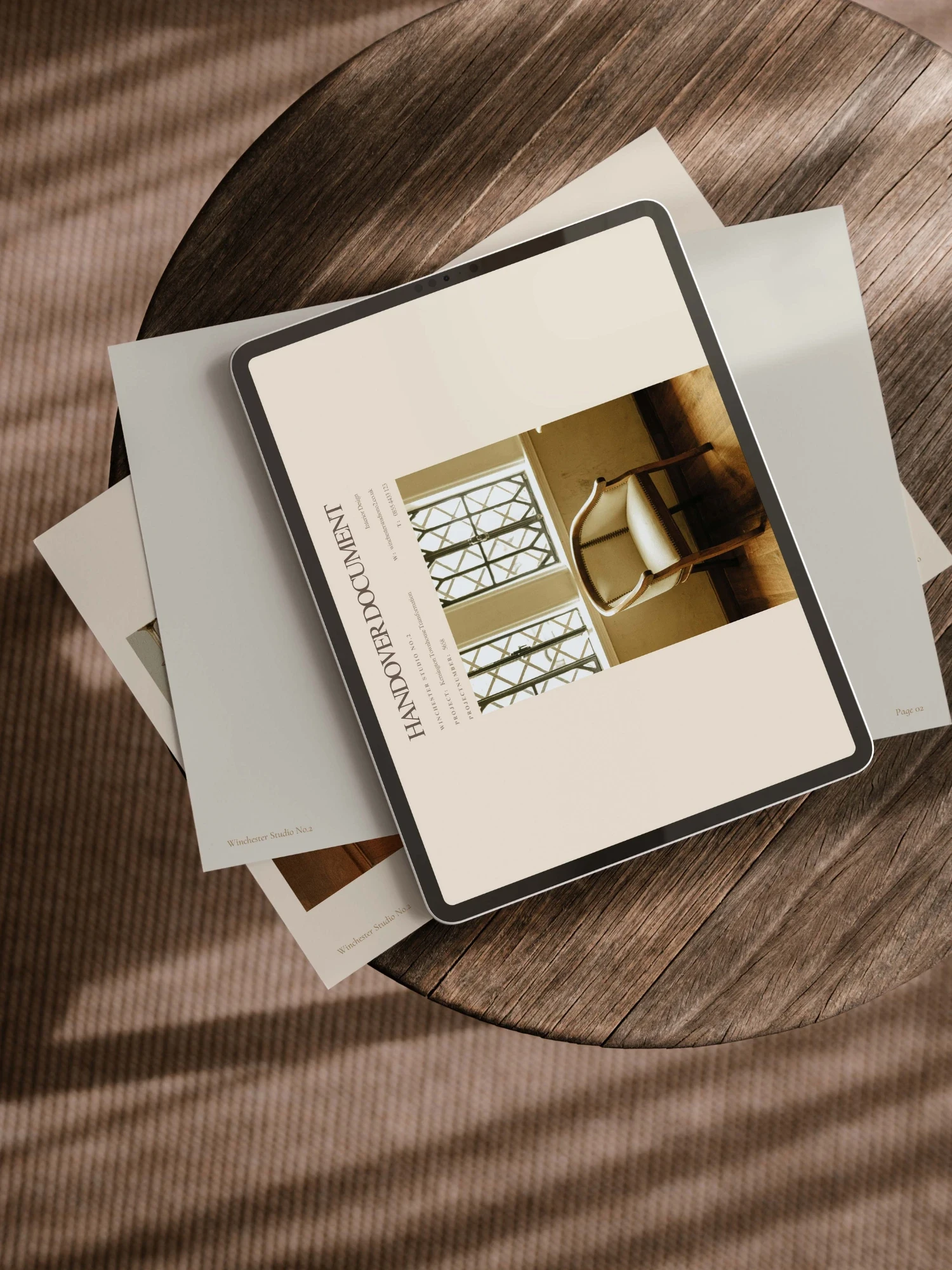
Instagram is often the first stop where potential clients decide if they love you, or keep scrolling. But running a practice now for some time, we've learnt this - if you're just starting out, Instagram probably shouldn't be your first move at all.
___
Your Warm Network Should Come First
Before you think about follower counts, content calendars, or reels, work the room you're already in. The people who already know you, trust you, and have seen your work firsthand are your most valuable asset when you're starting out. Former colleagues, friends, family, past clients - these are the people most likely to hire you or refer you. A phone call or a coffee will do more for your pipeline in the early days than six months of Instagram posts.
Instagram can't do the heavy lifting when you have no audience yet. So build the foundation first. Get your first few clients from your warm network, deliver great work, and let that create momentum. Only then does social media start to make real sense.
____
Why Interior Designers Should Use Instagram
Once you have that foundation, Instagram becomes genuinely valuable - just not in the way most people think.
We don't use our Instagram at ZAHRADA to purely find new clients. What we've found it most useful for is nurturing. Existing clients, past enquiries, people who've been referred to us - they follow along, watch our stories, see the work we're doing. And before you know it, someone who's been quietly watching for six months sends an enquiry. They already know who we are. They already trust us. The sale is almost done before the conversation even starts.
I believe that's Instagram at its best. Not a lead generation tool - a trust building one. The clients it brings you are warmer, better informed, and easier to work with because they've already decided they want you before they reach out. Instagram is a long-game.
____
Use your Instagram Bio to Convert Leads
If someone lands on your profile, you have about three seconds. Your bio is your elevator pitch and it needs to work hard.
The mistake most designers make is writing a bio about themselves — their credentials, their style, their process. Flip it. Write it about your client. What are they looking for? What problem are you solving? What will working with you feel like?
Instead of "Award-winning interior designer based in London," try something closer to "Architecture that belongs where it's built." Speak to the feeling and desire. Use your Why. Why do you exist? Why should they choose you?
Add a single clear call to action. Not "link in bio" - something that actually invites them somewhere. A consultation, a guide, a portfolio. Make the next step obvious. And, make it one step. Too many links will confuse and add unnecessary friction.
What Interior Designers Should Post On Instagram
Having grown our Instagram Page to 55,000+ followers, we know first hand that consistency matters more than volume. It's better to post twice a week with intention than five times a week with filler. Every post should provide value, and build trust. People should genuinly care about the things you post, otherwise there is no point in it existing.
The content that tends to work best isn't the polished final reveal, it's the process. The decisions you made and why. The problem a client had and how you solved it. The detail most people walk past. This is what builds trust over time and keeps the right people watching.
Stories are where the nurturing actually happens.
They're low pressure, high frequency, and they keep you front of mind with people who are already warm. Don't underestimate them.
____
You need to Niche Down
To provide value, you need to niche down. If you try to speak to everyone, you speak to no one. The designers who do best on Instagram aren't the ones with the most followers - they're the ones who have built a very clear point of view that attracts exactly the right people.
Know who your ideal client is. Know what they value, what they're struggling with, what they're aspiring to. Then make sure everything you post speaks directly to that person. When the right client lands on your profile, they should feel like you're already reading their mind.
____
Don't Chase Followers, Convert Them.
Likes are nice, but projects pay the bills. Chasing followers for the sake of it feeds your ego, not your business.
The conversion happens when someone who's been watching you for a while finally raises their hand. Your job is to make sure that when they do, the next step is obvious. A clear link in your bio, a highlight reel of your work and process, case studies that show the transformation - these are what turn a warm follower into an enquiry.
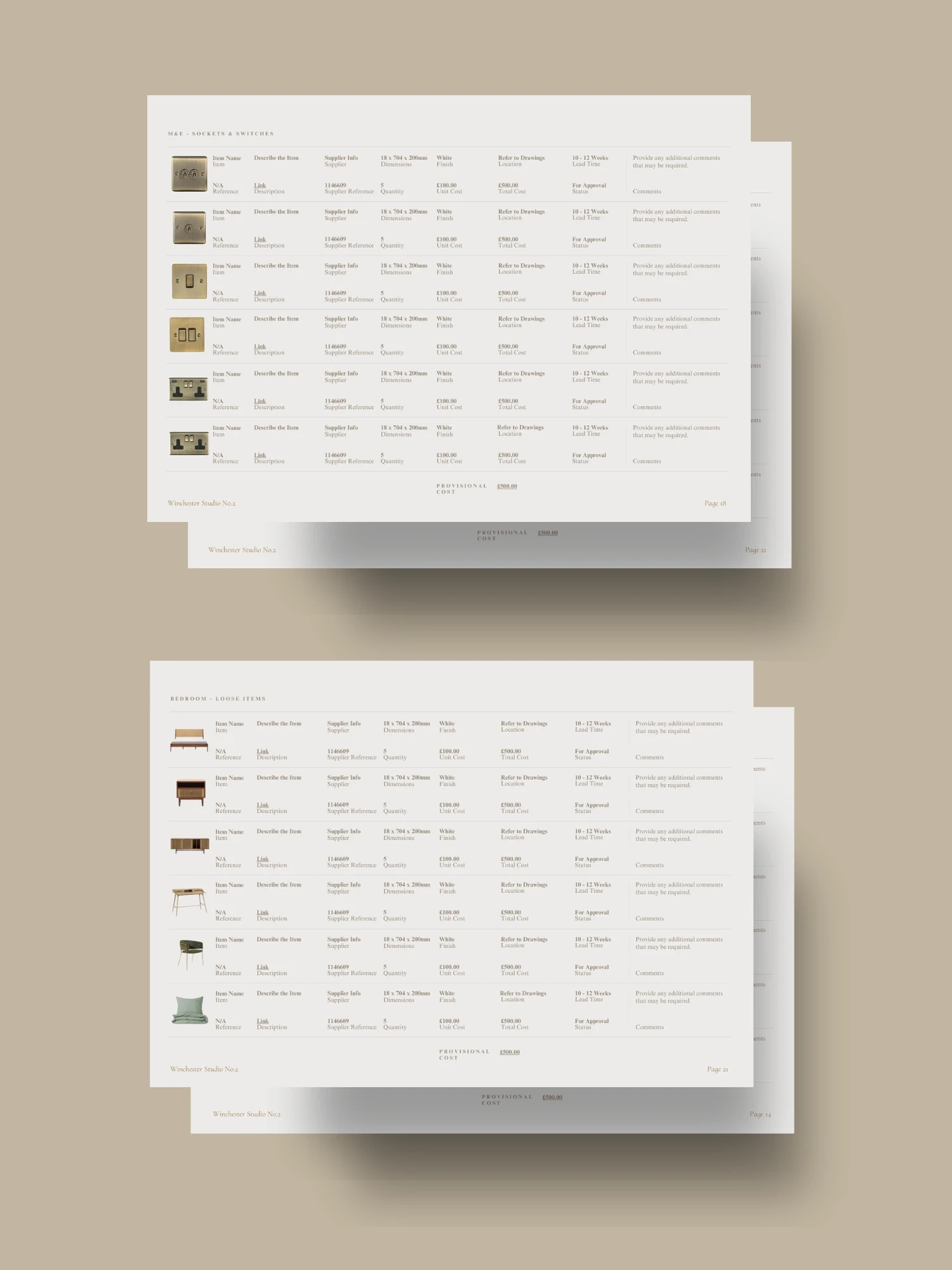
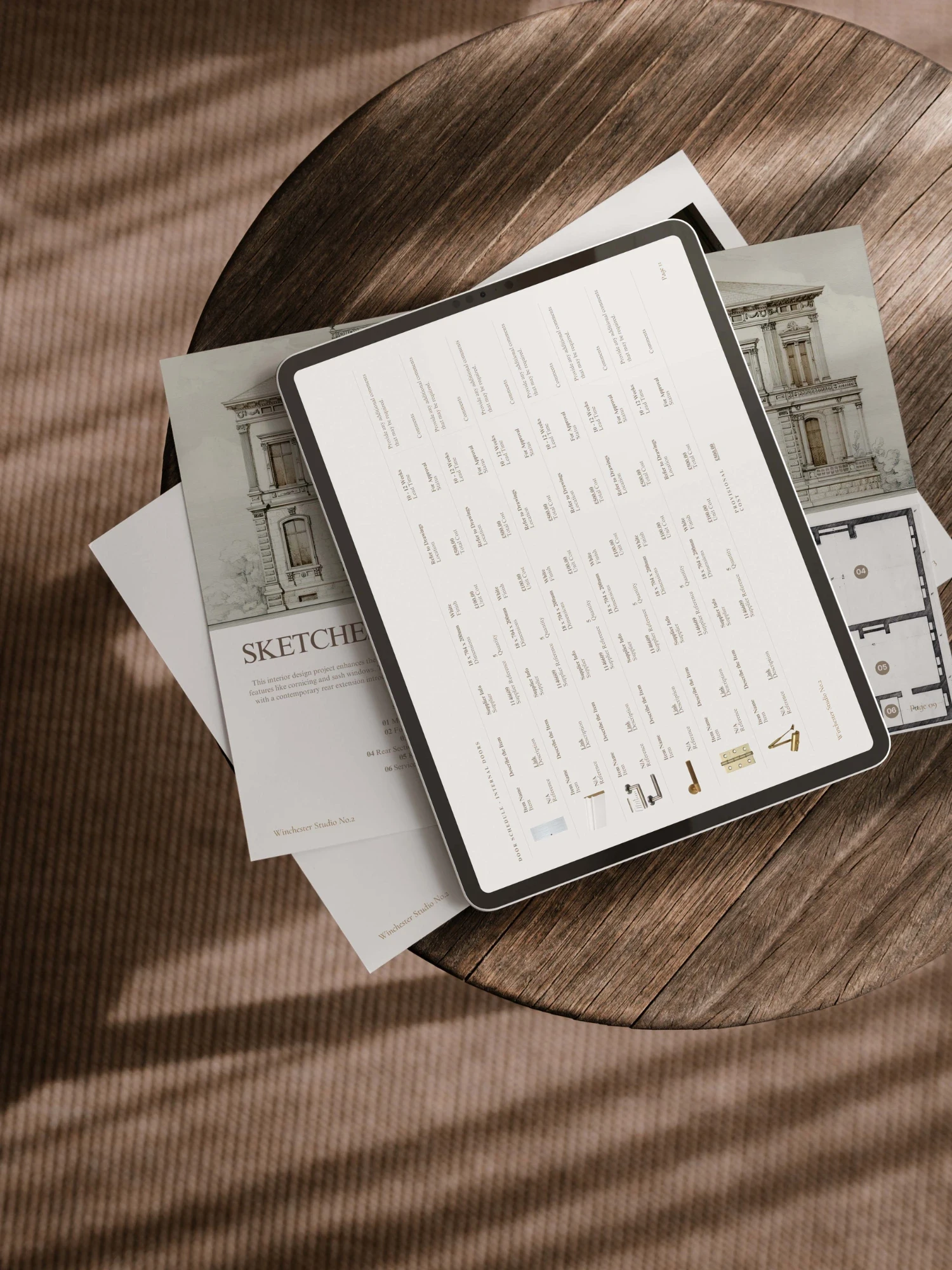
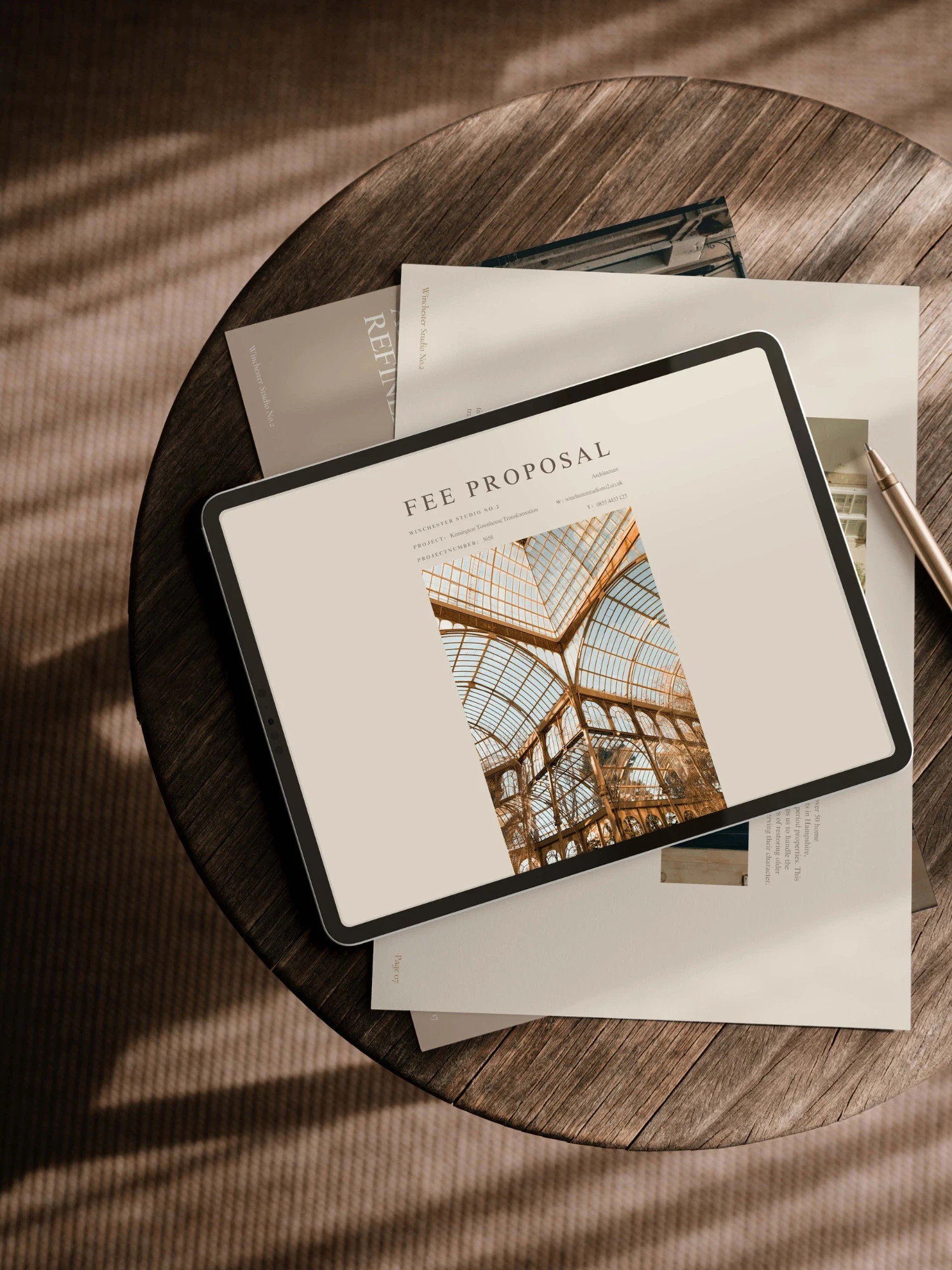
And once they enquire, make sure the experience matches the brand they've been following. Your fee proposal templates, your design presentations, your client onboarding - it all needs to feel like the same business they fell in love with on Instagram.
Conclusion
Social media is a long game. It won't save a slow month and it won't replace real relationships. But built on the right foundation - after you've worked your warm network, after you've got your first clients, after you know who you're talking to - it becomes one of the most powerful tools you have for staying visible and staying trusted.
Start with the people you know. Then let Instagram do what it's actually good at.
If you want help getting your client-facing brand in order alongside your social presence, the free client guide made for interior designers is a good place to start.
Written by Tim, Architecture Templates


The Author
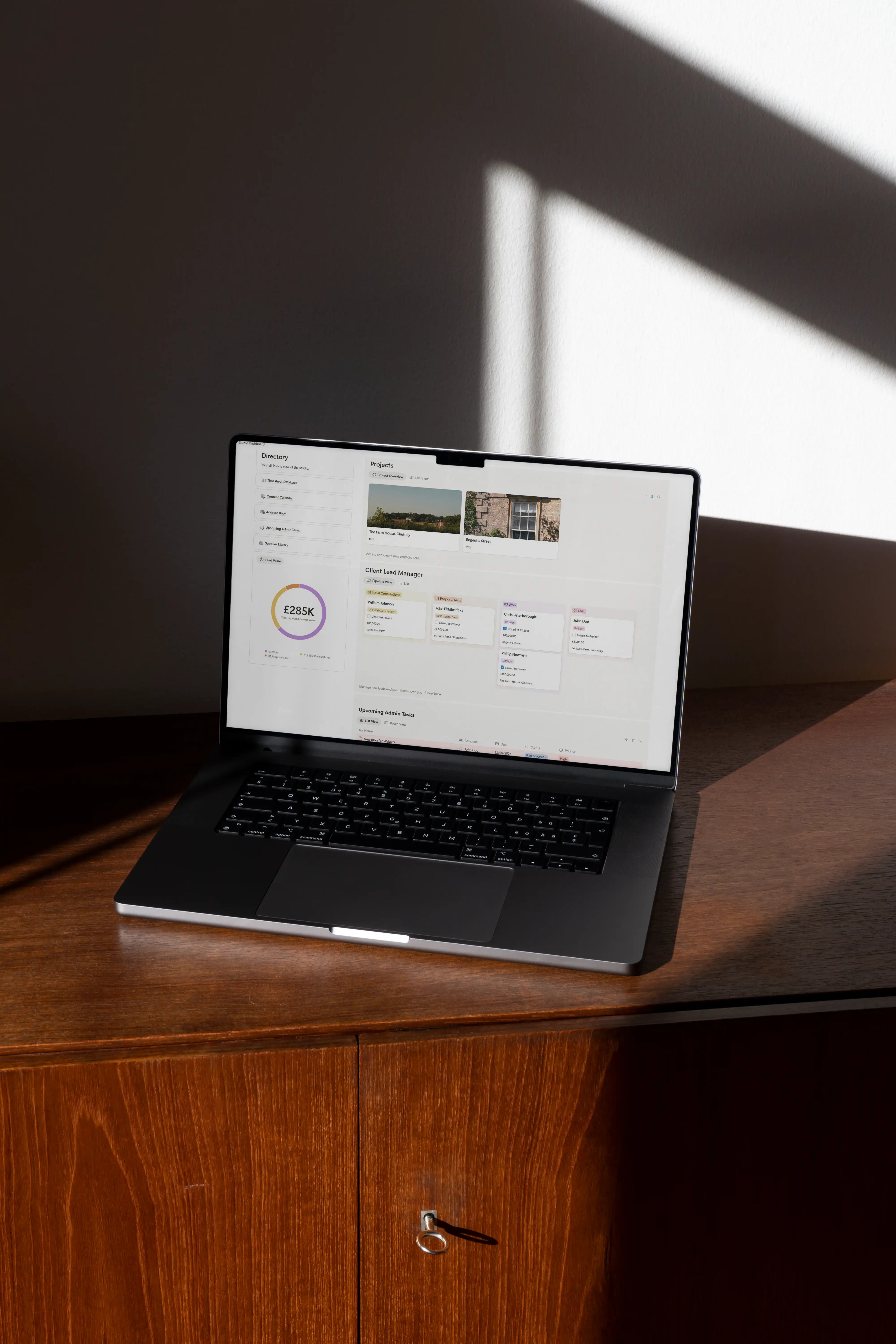
Tim Willment is a UK-based RIBA and ARB-registered architect, and founder of a boutique architecture and interior design studio he runs with his wife. With over a decade of experience, he helps designers build efficient workflows that maximise profit, attract better clients, and create a more balanced work-life.
His goal is simple: to create a better experience for both designer and client - building win-win businesses that are unforgettable.
Rather than offering mentorship or coaching, Tim shares proven templates and systems - the same ones he uses in his own practice - to help other small studios streamline their processes and focus on high-value design work.
Any questions, email him direct at tim@architecturetemplates.co.uk