Interior Design Questionnaires: What Questions to Ask Your Clients
Clients, Fees & Onboarding
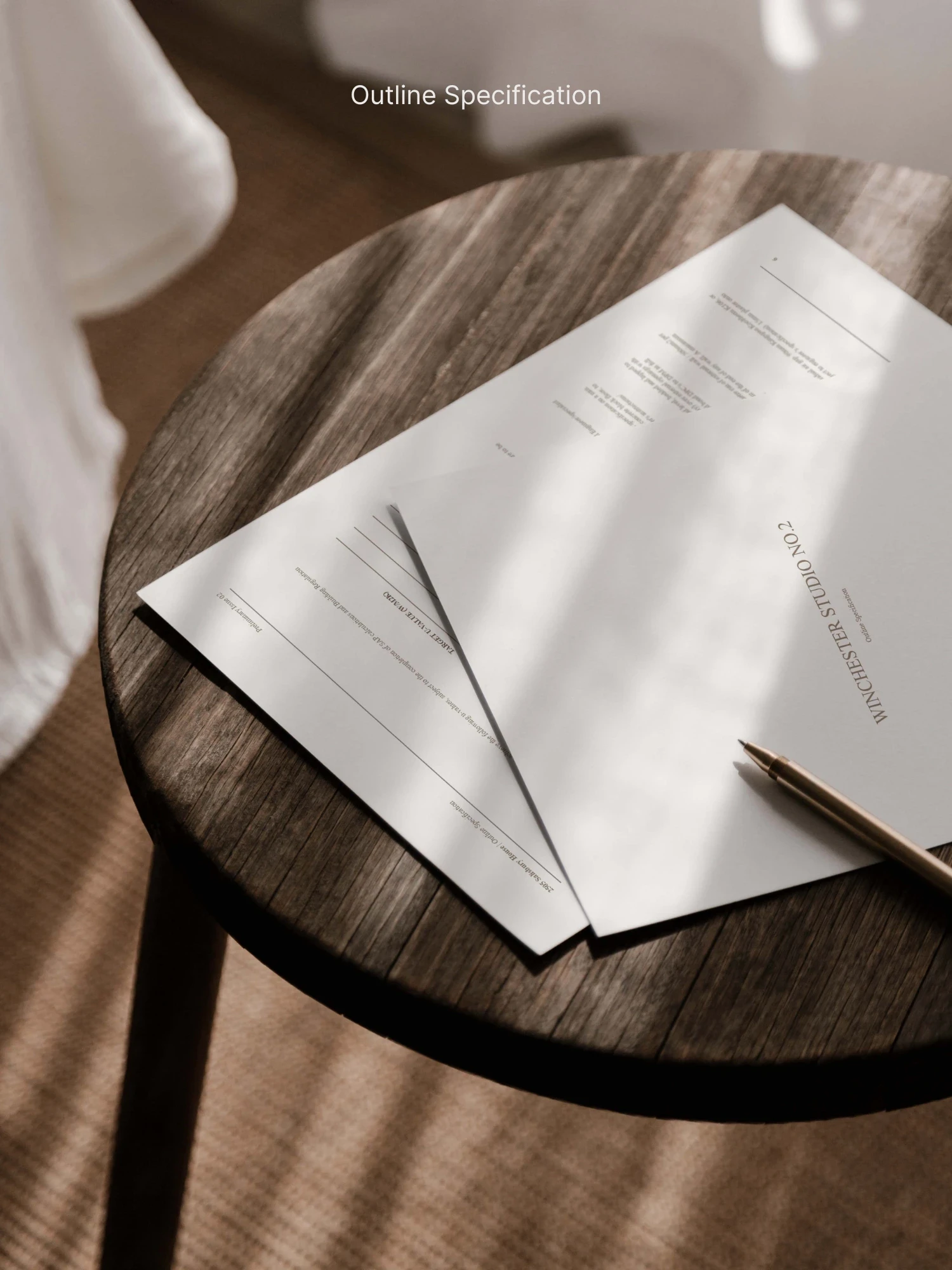
Working with clients, especially first-timers, is about building trust and managing expectations. According to the Royal Institute of British Architects (RIBA), guiding new clients through the process is critical to success. From timelines to costs, keeping them informed and aligned ensures smoother projects and happier clients.
This starts with asking the right questions. A well-crafted interior design questionnaire not only uncovers your client’s vision but also lays the groundwork for a collaborative and professional relationship.
In this guide, we’ll explore how to use questionnaires effectively during initial consultations to create a fee proposal and scheduled consultations to dive deeper into project details without wasting your time. Plus, you’ll learn how to streamline your process and elevate your client experience.
Why Use an Interior Design Questionnaire?
Clarity for Both Sides: They ensure you and your client are aligned from the start, reducing misunderstandings later.
Time-Saving Tool: By gathering detailed information upfront, you minimise back-and-forth emails and delays. I'm all for reducing the amount of emails I have to go through.
Professionalism: A polished questionnaire shows your expertise and reinforces trust. What a first impression right?
Whether you’re creating a fee proposal or diving into the nitty-gritty of design preferences, a well-thought-out questionnaire sets the stage for a seamless project.
____
Stage 1: Initial Consultation
Building Trust and Preparing the Fee
The first consultation is your chance to build rapport and understand the project at a high level. A focused questionnaire will help you gather the key details you need to prepare an accurate fee proposal.
What to Ask in the Initial Consultation:
Client Vision: What do you want to achieve with this project?
Lifestyle Needs: How do you use the space currently, and what changes are you looking for?
Project Scope: What rooms or areas are part of this project?
Budget Expectations: Do you have a ballpark budget in mind?
Timeline: Are there specific deadlines or timeframes we need to consider?
Decision Makers: Who will be involved in approving decisions during this project?
Why It’s Important:
These questions help you:
Identify the project’s scope and complexity.
Manage expectations around budget and timeline.
Build trust by showing you’re organised and attentive.
Use this information to create a fee proposal that reflects the client’s needs while avoiding scope creep.
Stage 2: Scheduled Consultation
Diving Deeper After the Agreement
Once the client agrees to your fee proposal, the second consultation is all about details. This stage focuses on gathering the information you need to create a design that truly resonates with your client.
What to Ask in the Scheduled Consultation:
Style Preferences: Are there specific design styles, colors, or materials you love or dislike?
Inspirations: Do you have any inspiration images, Pinterest boards, or ideas to share?
Functional Needs: What specific storage, furniture, or layout requirements do you have?
Lifestyle Details: Are there any unique needs, such as accommodating pets, kids, or workspaces?
Communication Preferences: How would you like updates - email, in-person, or calls?
Why It’s Important:
At this stage, you’re moving beyond surface-level details to:
Align your design with the client’s vision and lifestyle.
Avoid surprises by addressing functional needs upfront.
Reinforce professionalism by tailoring your communication style to their preferences.
Common Mistakes to Avoid
Even with a great questionnaire, there are a few pitfalls to watch out for:
Overloading the Questionnaire: Keep it concise and focused on what’s essential for each stage. That's why we would suggest that you break this down. No client wants to fill in an 80-question questionnaire if they don't know they're going to work with you.
Skipping Budget Questions: Avoiding this conversation early can lead to misaligned expectations later.
Failing to Follow Up: If responses are unclear, take the time to clarify before proceeding.
____
Questionnaires in Brand Your Business
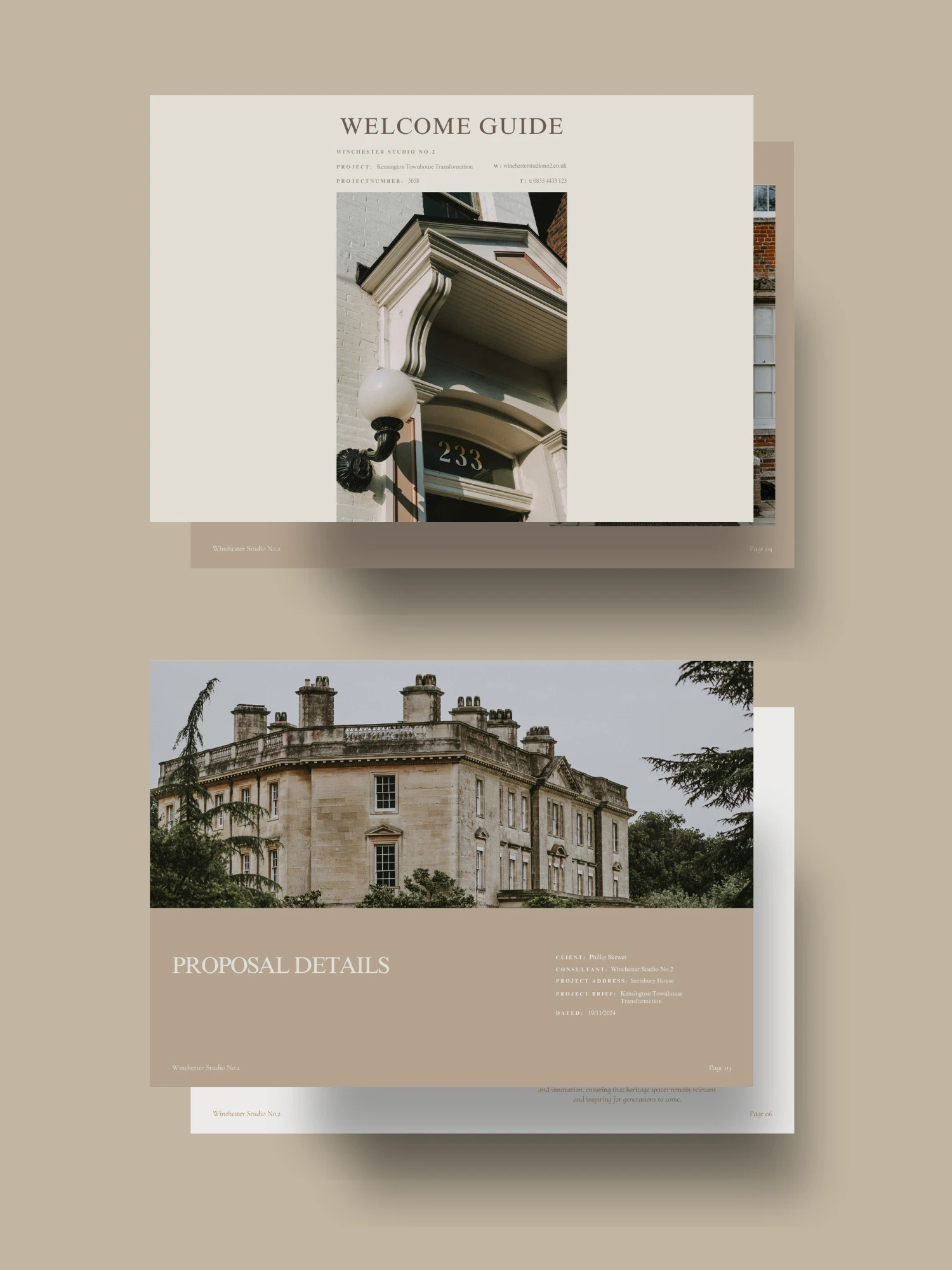
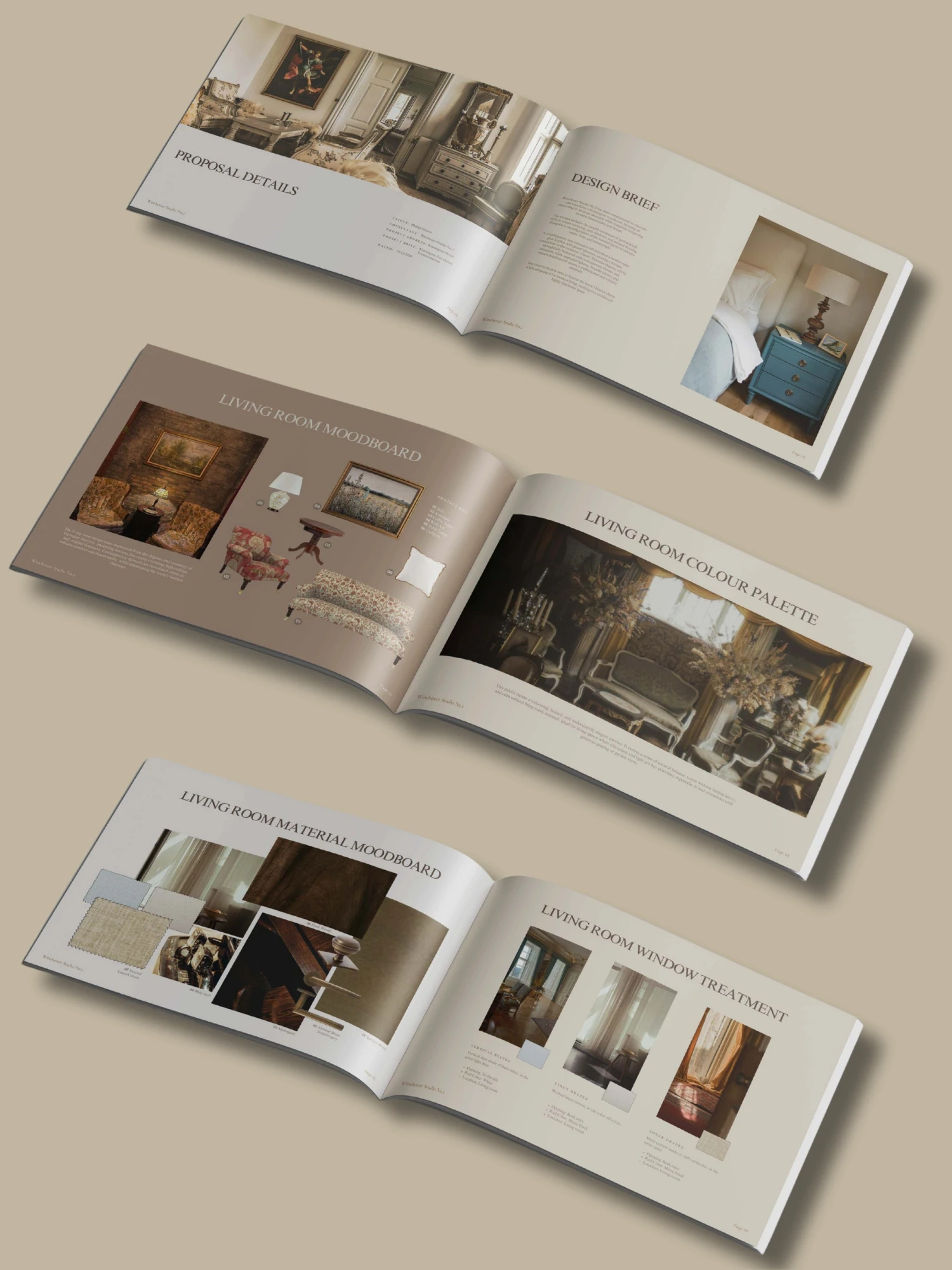
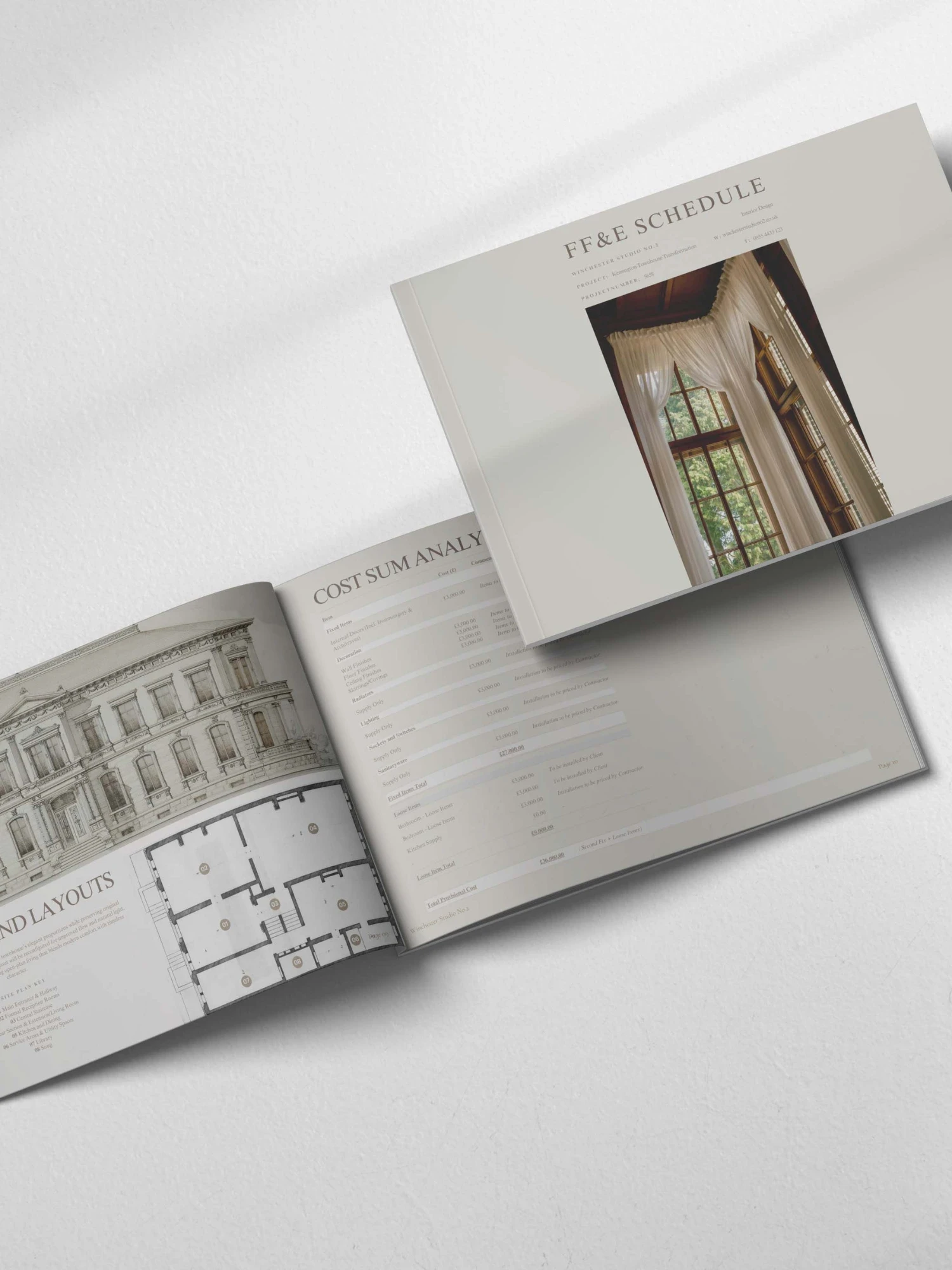
A well-designed questionnaire is a branding opportunity. It shows your attention to detail and reflects the professionalism of your entire process. Use branded templates with your logo, fonts, and colors to make a lasting impression.
____
Final Thoughts
Interior design questionnaires are more than just tools. By using them strategically during initial and scheduled consultations, you can create an exceptional client experience while staying organised and professional.
- Written by Tim, Architecture Templates

The Author
Tim Willment is a UK-based RIBA and ARB-registered architect, and founder of a boutique architecture and interior design studio he runs with his wife. With over a decade of experience, he helps designers build efficient workflows that maximise profit, attract better clients, and create a more balanced work-life.
His goal is simple: to create a better experience for both designer and client - building win-win businesses that are unforgettable.
Rather than offering mentorship or coaching, Tim shares proven templates and systems - the same ones he uses in his own practice - to help other small studios streamline their processes and focus on high-value design work.
Any questions, email him direct at tim@architecturetemplates.co.uk