How to Name Your Architecture Firm (with suggestions)
Business & Growth
Why Your Architecture Firm’s Name Matters
You know what, naming your architecture firm can be so difficult. Your architecture firm's name is your brand's first impression. It's an initial point of contact with potential clients. If it's not memorable, people might forget you.
It's what potential clients will Google, what they'll recommend to others, and what will be displayed on your contracts and portfolio. Choosing the right name is a deliberate, strategic choice that is very difficult to change once you've committed.
In a world where there are over 1.3 million architects globally, standing out is crucial.
Naming your firm is harder than it sounds. It's the first thing a potential client sees before they've ever spoken to you. It shows up on Google, on contracts, on referrals. And unlike a bad logo, it's genuinely difficult to walk back once you've committed.
So it's worth getting it right from the start.
The Three Paths Most Firms Take
When you look at how architecture firms actually get named, it usually comes down to three approaches.
The first is using your own name. We're in an era where personal brand matters more than ever - clients hire people, not companies. Using your name signals confidence and accountability. It builds you as much as it builds the business. Think Foster + Partners, Zaha Hadid Architects, David Chipperfield. The name is the reputation.
The second is finding a word that means something to you. This is what we did with our own firm. We named it ZAHRADA - the Slovak word for garden. We weren't trying to be clever or strategic about it. We just loved the word. The feeling of it. What it represented to us. And that's exactly the point - it has a story behind it, it evokes something, and nobody else has it.
The third is the generic descriptive route. "Apex Studio." "Design Collective." "Blueprint Bureau." These aren't necessarily bad, but they're forgettable. They could belong to anyone. If your name could be slapped on a lettings agency without anyone noticing, it's probably not doing enough work for you. They come off very AI generated.
____
Tips for Choosing Your Architecture Firm Name
Whether you go with your own name or something invented, the best firm names have one thing in common - there's a reason behind them. It doesn't have to be a complicated reason. With ZAHRADA, it was simply that we loved it. But that love came from what the word meant, what it conjured up, the feeling it gave us.
That's what you're looking for. Not a name that ticks boxes on paper, but one that actually resonates - with you first, and then with the clients you want to attract.
Keep it short and easy to say out loud. Referrals are still how most firms grow, and nobody's recommending a firm they can't pronounce or spell. If you have to explain how it's said, that's already a problem.
Think about longevity. If you call yourself "Sustainable Spaces" and your work evolves, you've boxed yourself in. The same goes for geography - "Manchester Studio" becomes a problem if you're working nationally in a few years. Only go down the niche naming route if you're absolutely committed to staying in it.
Including words like "architects," "studio," or "design" can help with SEO and signal what you do - but it's not essential. If your work speaks for itself, the name doesn't need to spell it out.
And check availability before you fall in love with it. Domain, trademark, Instagram handle - do this early. There's no point building an identity around a name someone else already owns.
Architecture Firm Name Suggestions
These aren't formulas - they're just to get you thinking. The best name won't come from a list, it'll come from something that actually means something to you. But if you're stuck, here's some direction.
If you're going the personal brand route: your surname alone, two partner surnames joined, or your initials can all work. Simple, clean, and it builds equity in you over time.
If you want something more evocative, look beyond English. ZAHRADA came from Slovak (Zofia's birthplace, and a language I'm learning - slowly). There are words in every language that carry exactly the feeling you're looking for - you just have to find yours. Think about what your work actually evokes. Space, light, weight, calm. Then find the word that captures it.
If you want something more descriptive, keep it to one strong word rather than a phrase. Studio, House, Office - paired with something unexpected - tends to age better than anything that tries too hard to sound architectural.
____
Common Mistakes to Avoid When Naming Your Firm
Being too generic is the main one. A name that blends in is a name that gets forgotten. "Apex Design," "Blueprint Studio," "Creative Architects" - they could belong to anyone. If it doesn't feel distinctly yours, keep going.
Overcomplicating it is the other extreme. Long names get shortened, misspelled, and quietly abandoned. If you're already abbreviating it yourself before you've even launched, that's a sign.
Naming it for where you are right now rather than where you're going. A hyper-specific niche or location in your name feels limiting fast. Give yourself room to grow.
And don't name it by committee. Too many opinions water it down into something safe and forgettable. Trust your instincts - you'll know the right one when it feels right.
Conclusion
The name is the starting point, not the finish line. Once you have it, everything else needs to pull in the same direction.
Get a logo that actually reflects what the name represents - not just something that looks clean, but something that carries the same feeling. If you cut corners here it shows, and it undermines the name you worked hard to choose.
Lock in your colours and fonts early and stick to them. Inconsistency is what makes firms look amateur, not lack of budget.
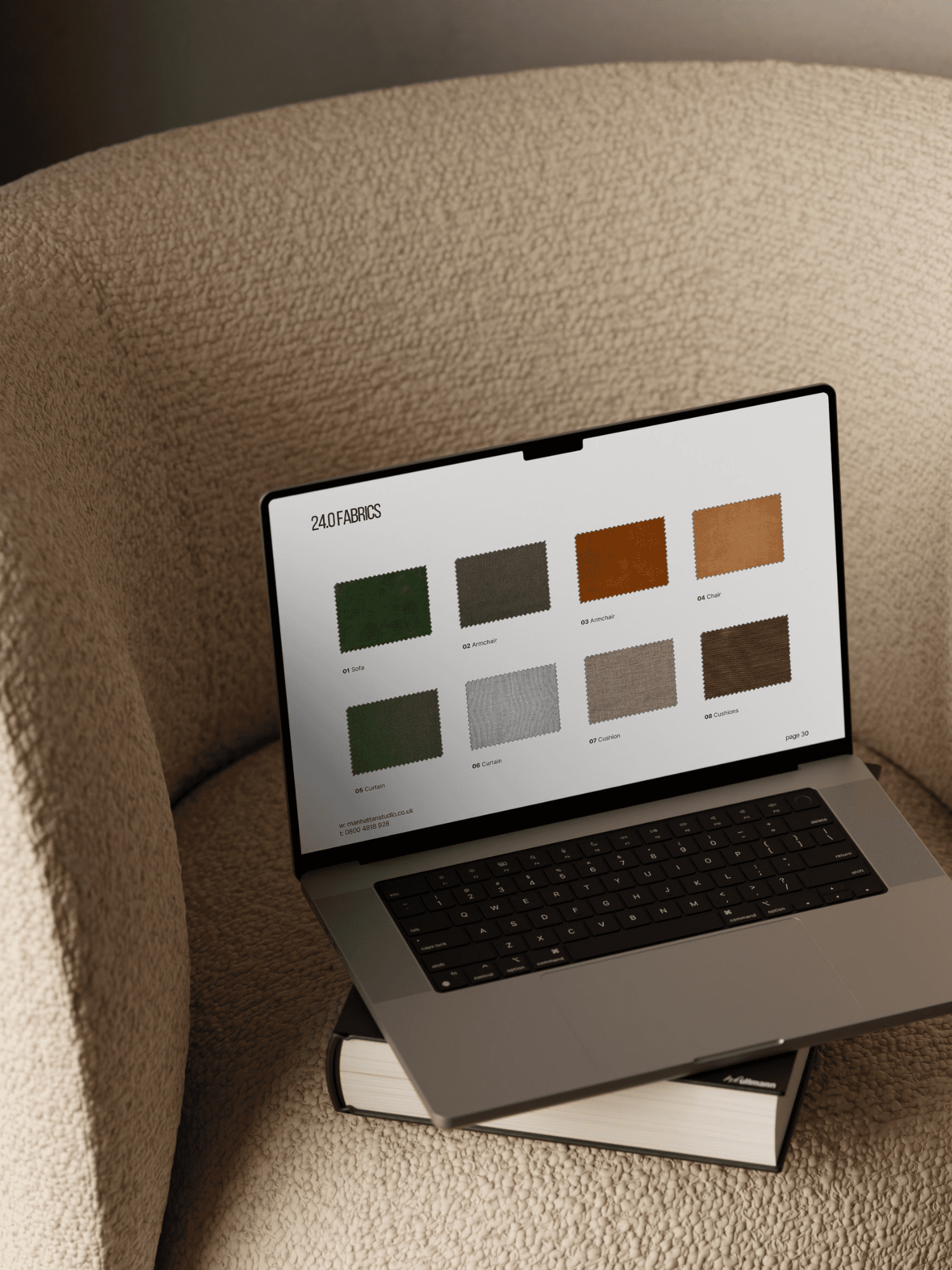
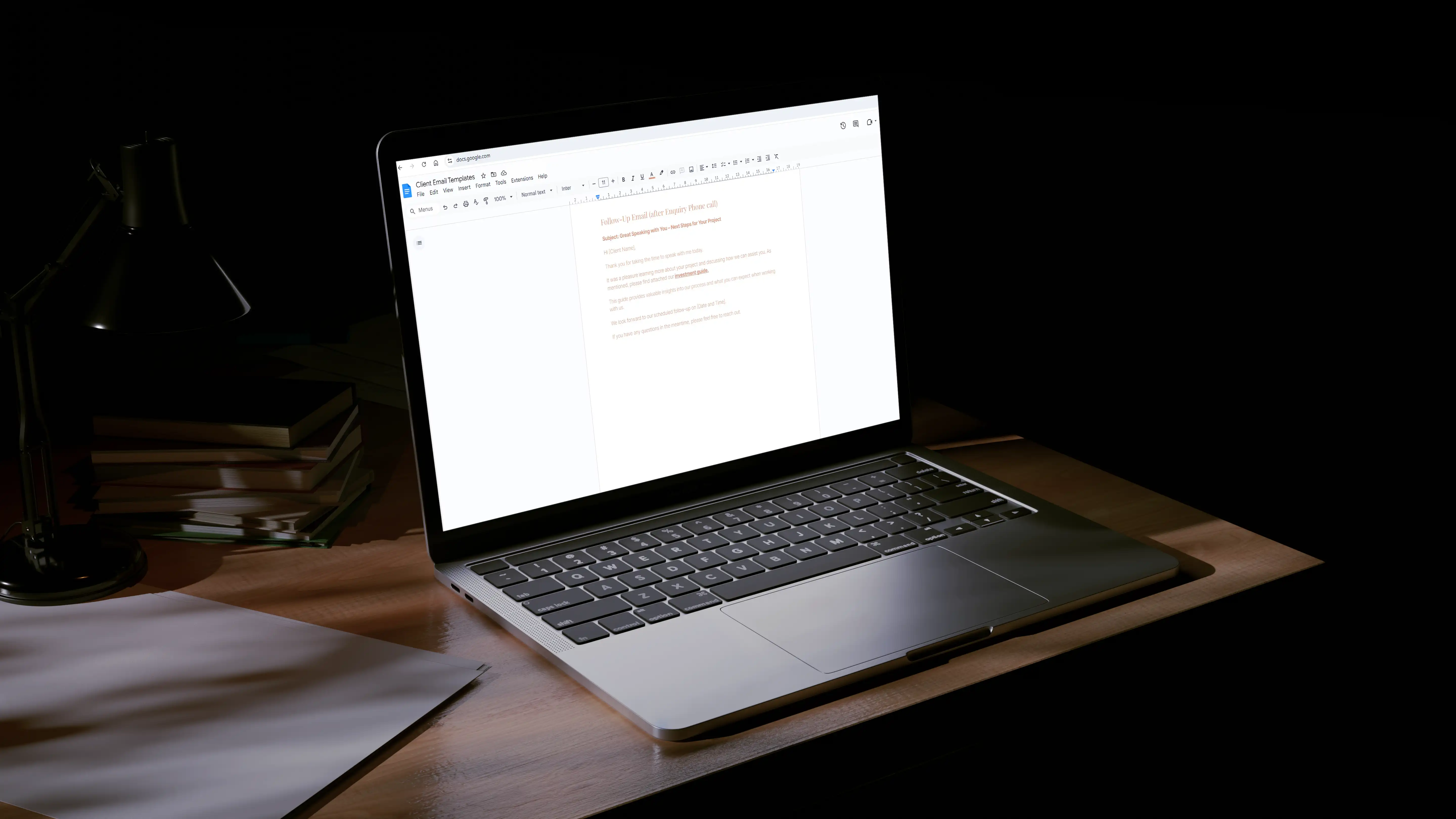
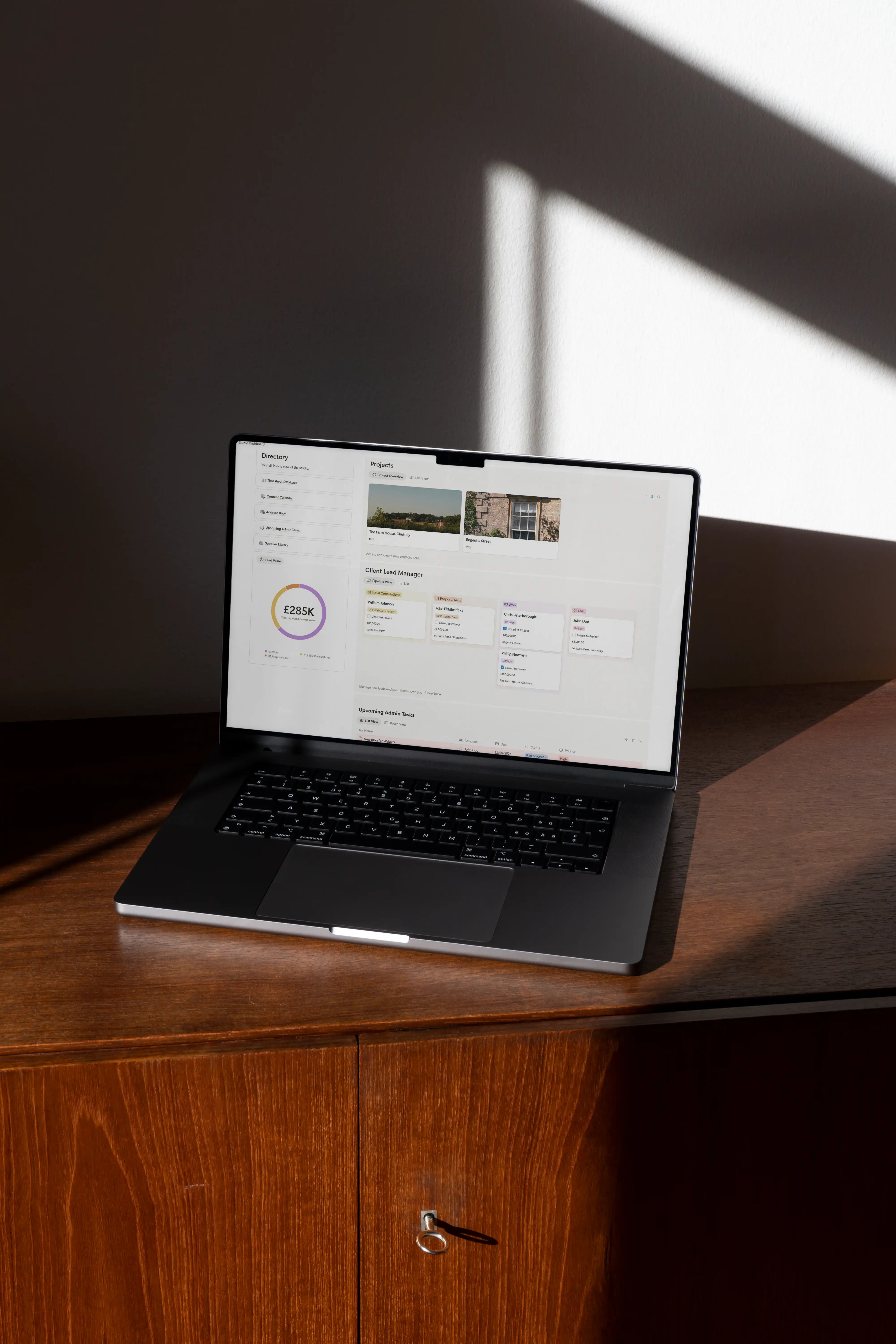
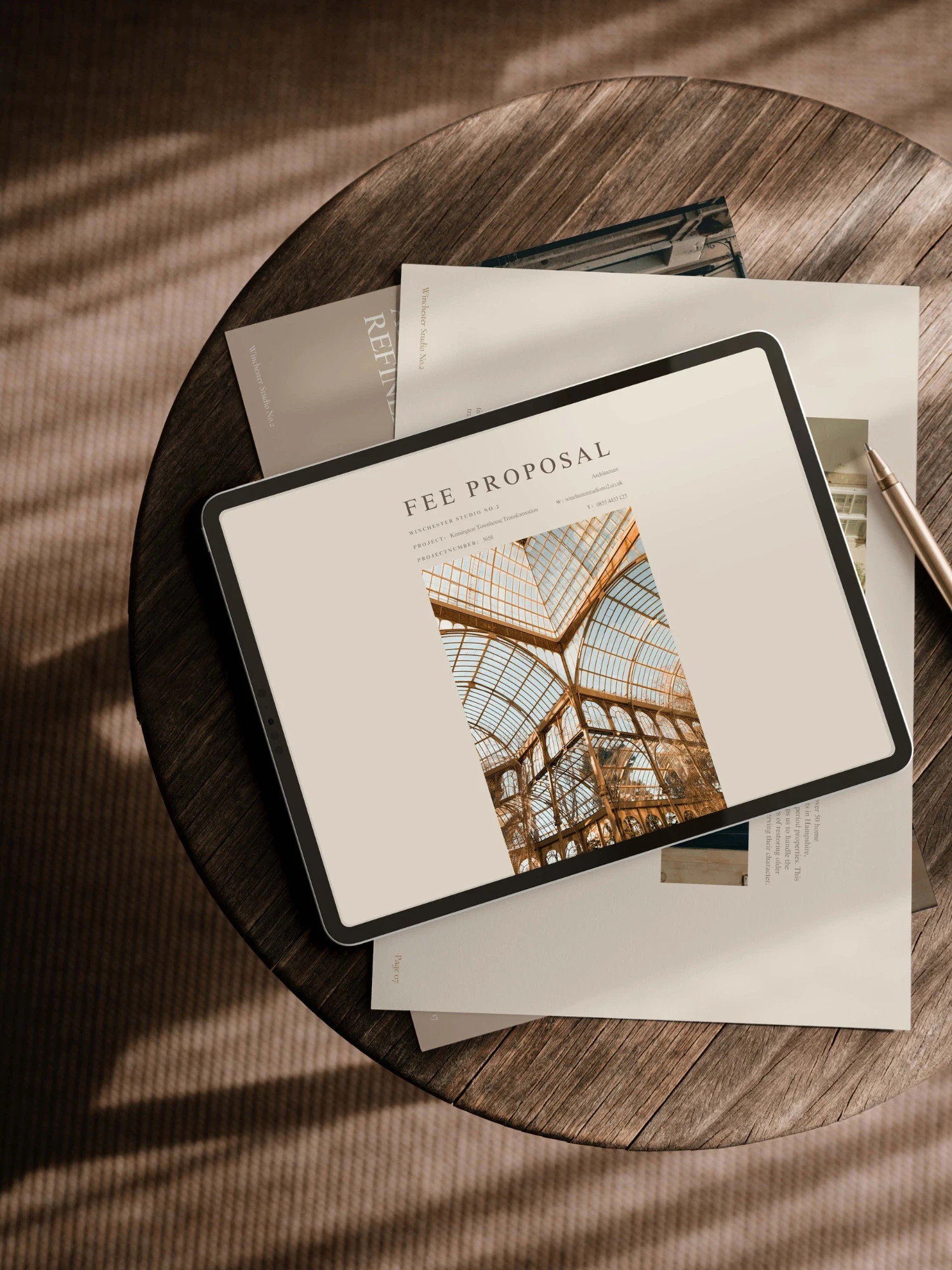
Then make sure the materials you're actually sending to clients reflect it - proposals, presentations, reports. This is where most firms lose that leverage. The brand looks great on the website and then completely falls away the moment a PDF or email lands in a client's inbox.
If your templates are a pain to use, you won't use them.
Written by Tim, Architecture Templates.

The Author
Tim Willment is a UK-based RIBA and ARB-registered architect, and founder of a boutique architecture and interior design studio he runs with his wife. With over a decade of experience, he helps designers build efficient workflows that maximise profit, attract better clients, and create a more balanced work-life.
His goal is simple: to create a better experience for both designer and client - building win-win businesses that are unforgettable.
Rather than offering mentorship or coaching, Tim shares proven templates and systems - the same ones he uses in his own practice - to help other small studios streamline their processes and focus on high-value design work.
Any questions, email him direct at tim@architecturetemplates.co.uk