Why Email Marketing for Architects and Interior Designers Still Works in 2025
Digital Marketing
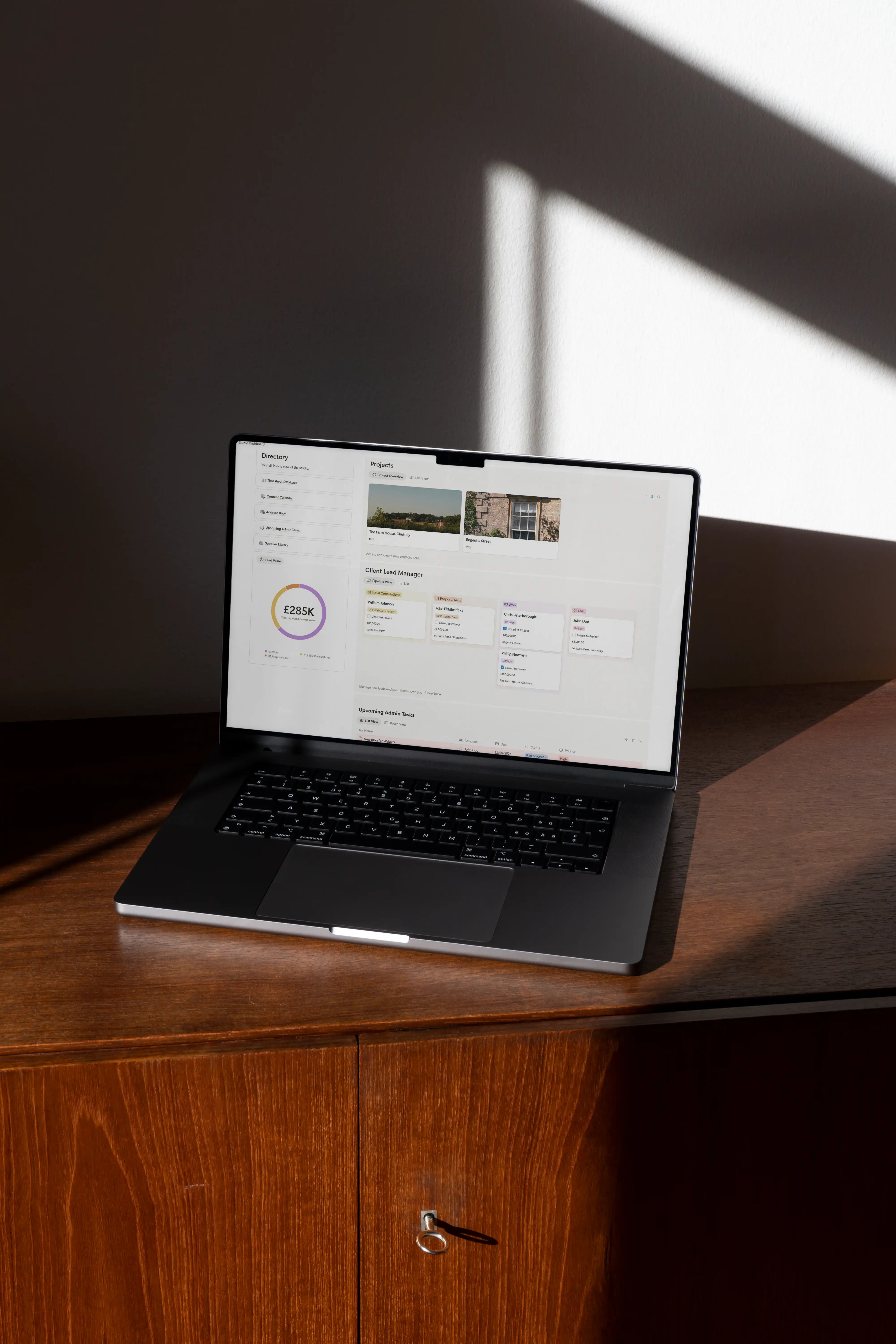
Most people aren’t ready to work with you yet - and once you start getting regular leads, you realise this. Some of them seem like ideal projects. They’ve followed you, maybe even enquired. But the timing’s not right. They're in your sales funnel , but haven't quite got to the bottom.
This is where most architects and interior designers struggle. Because if you’re not staying visible in a way that feels personal, useful, and low-pressure, people forget you. Not out of disinterest - just because life moves on, renovations happen, someone else shows up at the right time. And in all the noise, it’s easy to get lost.
The smartest studios I know are getting ahead of this. They’re not just posting on Instagram and hoping for the best - they’re writing newsletters.
Some of these studios include:
Strom Architects
Hyde Architects
Email feels more intimate - and you’re not at the mercy of algorithms. Only a tiny fraction of my followers see my Instagram posts. But an average of 45.2% of my email list reads my emails every week.
That’s how you nurture leads and win better clients.
Some studios treat marketing like a tap: turn it on when they need clients, turn it off when they’re busy. That creates gaps - and in those gaps, you disappear.
Your best clients might take months to decide. Sometimes a year. They’re researching, saving, waiting. Your job isn’t to convince them today — it’s to stay memorable. To be the designer they remember when the time’s right. To be so clear in your value, and so familiar in their mind, that they don’t even consider anyone else.
Why Email Still Works (Even in 2026)
Instagram reach is unpredictable.
Ad costs are rising and becoming more competitive everyday.
Email is different.
My open rate sits between 45–60% . Compare that to the 5–10% reach most people get on social and it’s a no-brainer. I don't sell in my emails, I provide food-for-thought, actionable tips, or I share what's working for me. You can join it here..
I keep promotional emails to a minimum, they tank, and the unsubscribe rate is crazy. You don't want to be spammy, you want people to look forward to your emails, make sure they have something they can take away with them.
___
What to Actually Send
It’s just storytelling. Email doesn’t need to be clever.
Think of it like this: your client is the hero. You’re the guide. The person quietly handing them the map, showing them a better way. If you’re not sure where to start, try sending one of these:
Monthly Design Insights
A quick tip, trend, or lesson — something they’ll read and think, “That’s actually useful.” It could be:
A simple explanation of a construction detail that you've thought about. Say concealing services. A design choice that worked better than expected A myth you’d love to see die ( “No, you don’t need to open-plan everything.” )
What Worked Recently
Share a small win. It doesn’t need to be a finished project — it could be: A detail that landed well A smart layout tweak A client's feedback mid-way through a process. This builds trust and subtly shows your value.
What Didn’t Work, and How You Fixed It
Everyone loves a good "nearly went wrong but we saved it" story. Tell the truth. Be transparent. It’s about showing how you think. How you solve. How you lead under pressure.
Soft, Exploratory CTAs
You don’t need to sell. Try:
“Thinking of renovating? Here’s a local extensions guide to get your ideas clear.”
“Need help planning your layout? Hit reply — happy to offer a second pair of eyes.”
"Need help budgeting? Here's some ballpark costs we've seen this year."
Even if they don’t click, you’ve stayed in their mind. And that’s the goal.
Always Be Giving
Guides. Checklists. Workbooks. Budget Spreadsheets. Free tools that make their life easier will always keep you in the picture. It’s generosity that builds trust. And it separates you from the architects and designers who only show interest when they’re selling.
It's so efficient to be able to get a huge amount of value via a PDF because it scales without you taking on staff.
If you use Flodesk , like I do, it doesn't cost you more when you send additional emails. It's a fixed cost. Try it here free for 14 days.
Numbers From My Own Email List
Here’s what I’ve seen with my audience having now sent just north of half a million emails to warm audiences.
Average open rate: 52.5% (20% is typical)
Click rate: 2.2%
Most clicked email: My most profitable email I send every week.
Least effective: Anything that felt like a promo or wasn’t valuable.
My takeaway so far.
Keep it personal.
Keep it honest.
Stay consistent.
Tell good stories.
___
The Tool I Use and Recommend
I use Flodesk to manage everything: welcome sequences, newsletters, and automations.
The emails look like my brand (not like corporate spam)
It’s flat-rate pricing - no penalty as your list grows
It doesn’t overwhelm you with features you’ll never use
It’s genuinely enjoyable to use
I’ve tried Mailchimp and I’ve used HubSpot. Both felt bloated and the pricing just does not work for architectural practices nurturing leads and wanting to send regular emails.
Flodesk is different for smaller businesses like us. And, if you’re a visual person who likes clean design, you’ll probably like it too.
Try Flodesk free for 14 days with this link.
Final Thoughts
You need to stay visible to the ones you already have - without burning out, chasing likes, or reintroducing yourself every time someone finally gets in touch. Email should be an addition to your overall marketing strategy. Focus on the funnel, build it, one part at a time.
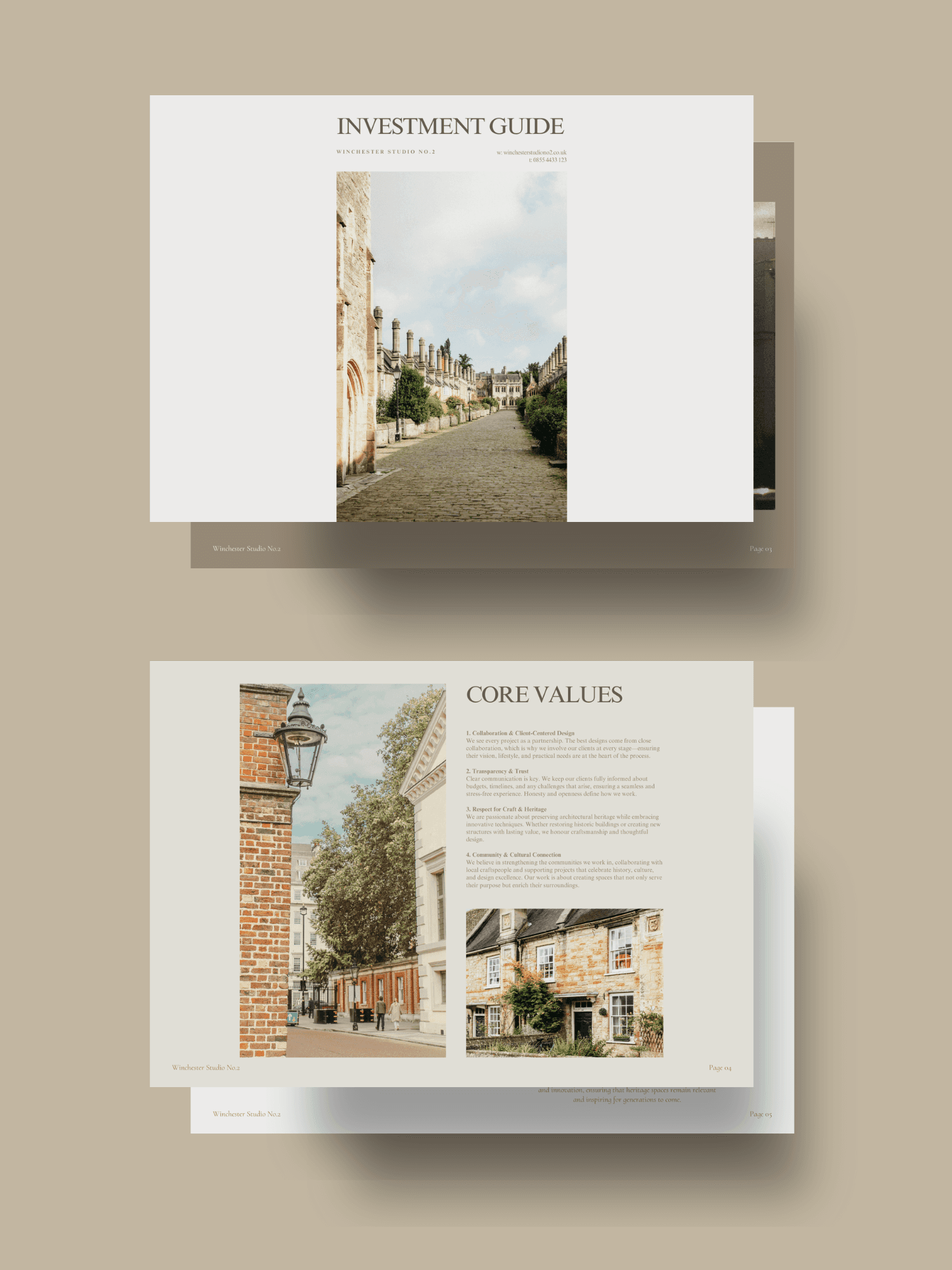
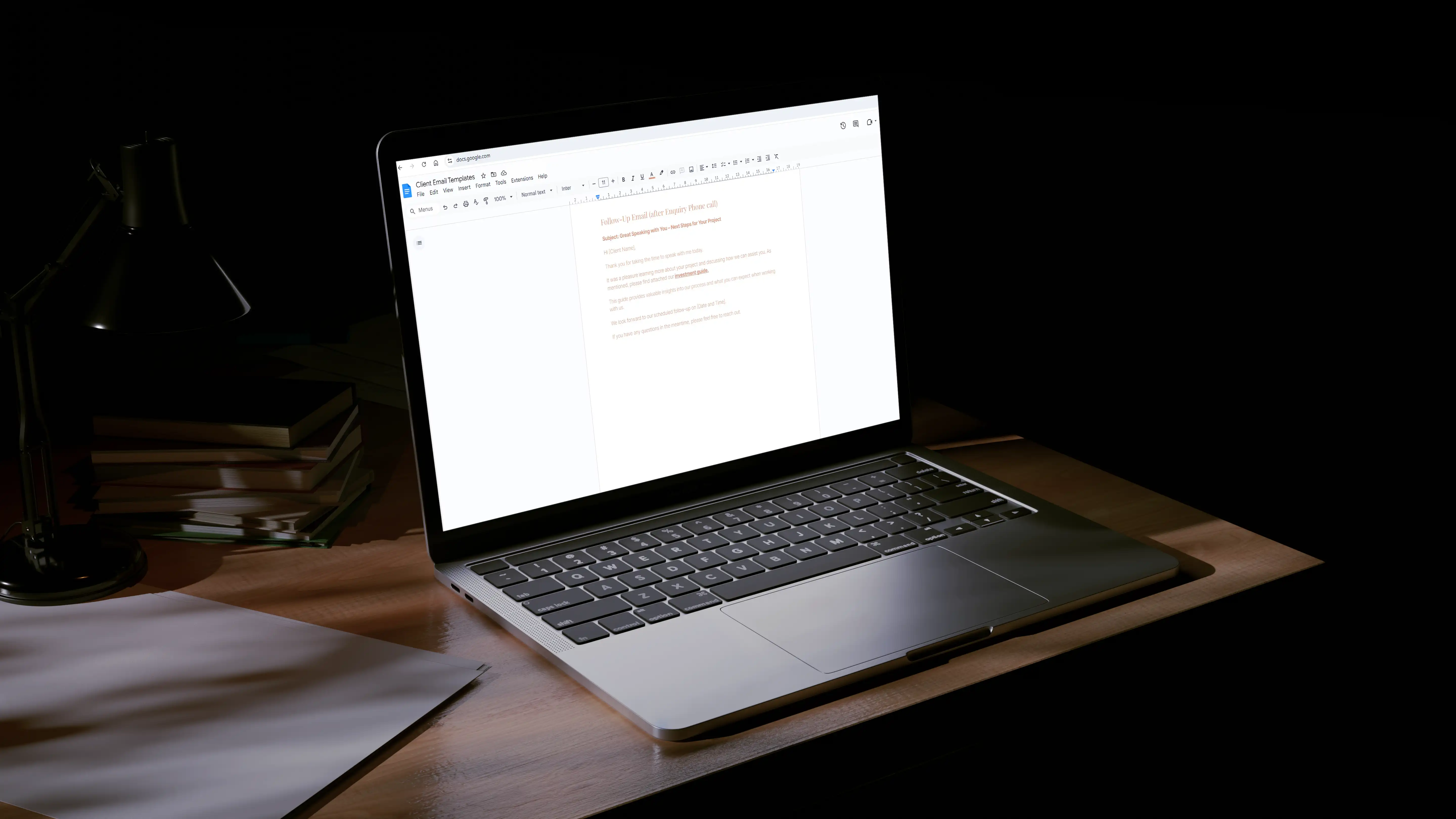
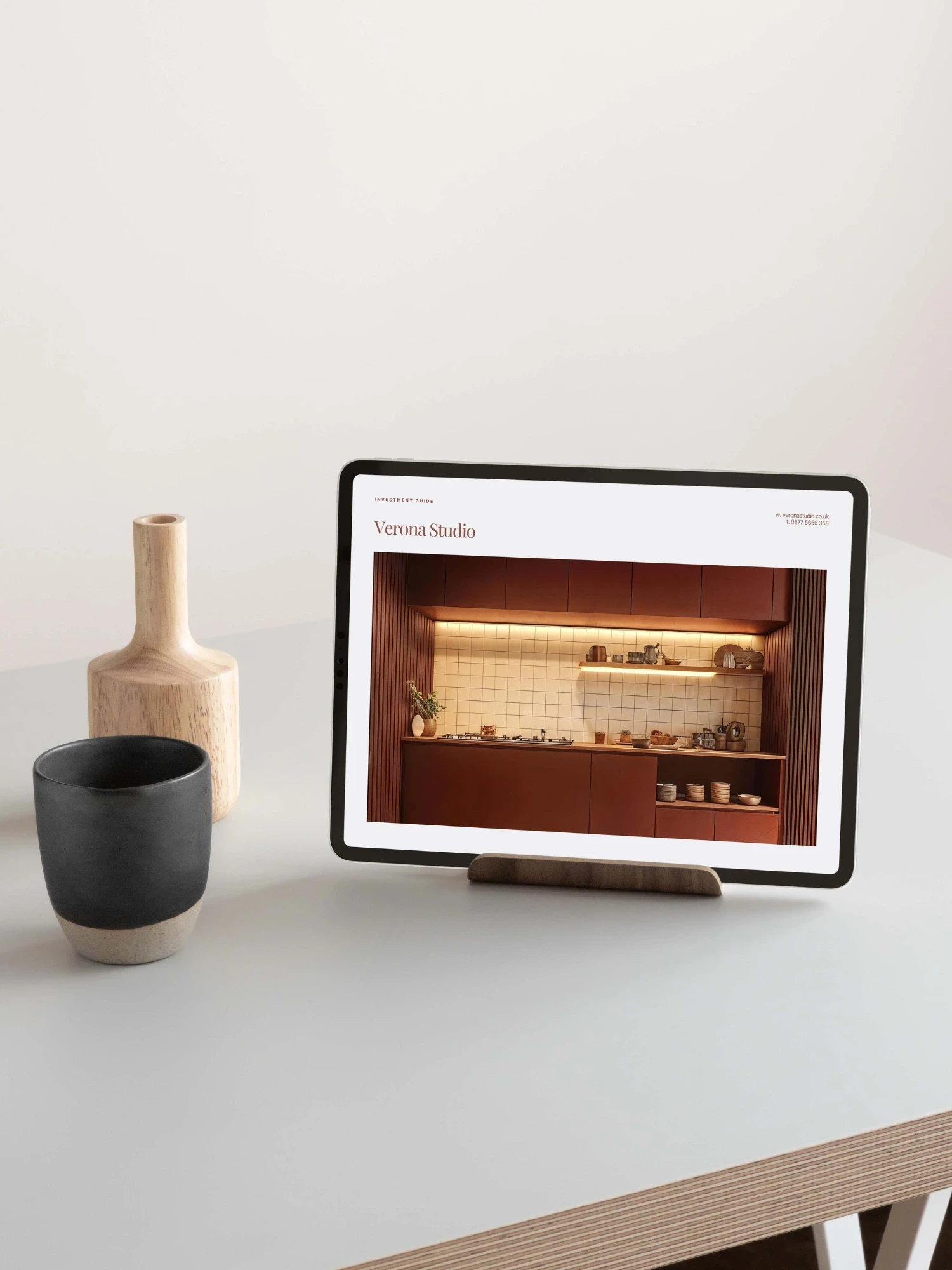
Email works while you sleep. It builds trust slowly, over time. And when the timing is right, you’re not forgotten - you’re the only choice. If you'd like to learn more about what we do at Architecture Templates, download our client guide for architects.
Until next time,
Tim, Architecture Templates

The Author
Tim Willment is a UK-based RIBA and ARB-registered architect, and founder of a boutique architecture and interior design studio he runs with his wife. With over a decade of experience, he helps designers build efficient workflows that maximise profit, attract better clients, and create a more balanced work-life.
His goal is simple: to create a better experience for both designer and client - building win-win businesses that are unforgettable.
Rather than offering mentorship or coaching, Tim shares proven templates and systems - the same ones he uses in his own practice - to help other small studios streamline their processes and focus on high-value design work.
Any questions, email him direct at tim@architecturetemplates.co.uk